BECOME A MEMBER
Membership is a cost-effective way to visit often and support our important work. Please join our efforts to connect people to the natural world and create a more sustainable future.
EVENTS & CLASSES
Join us for one of our exciting classes, programs or events
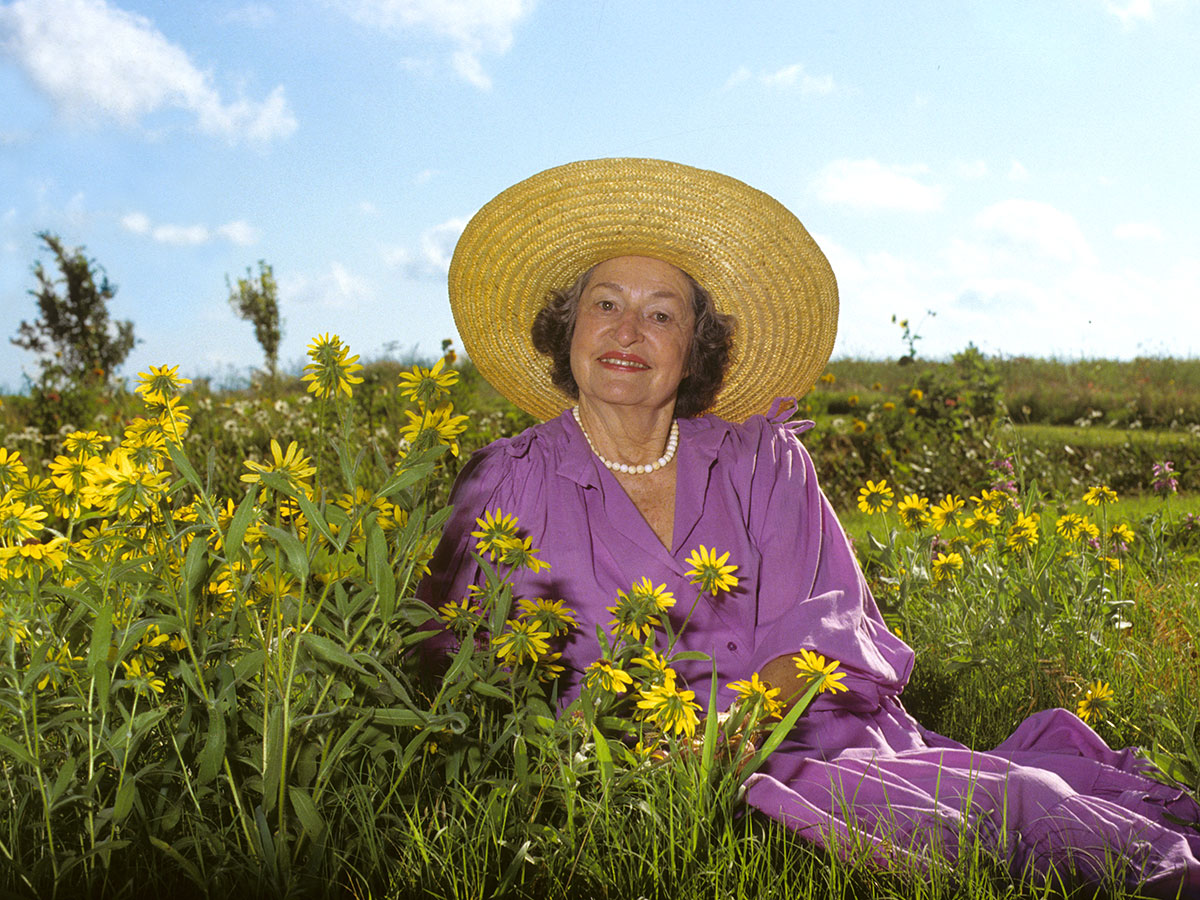
Lady Bird Day
Saturday, May 11
Nature Nights
Thursday, June 6
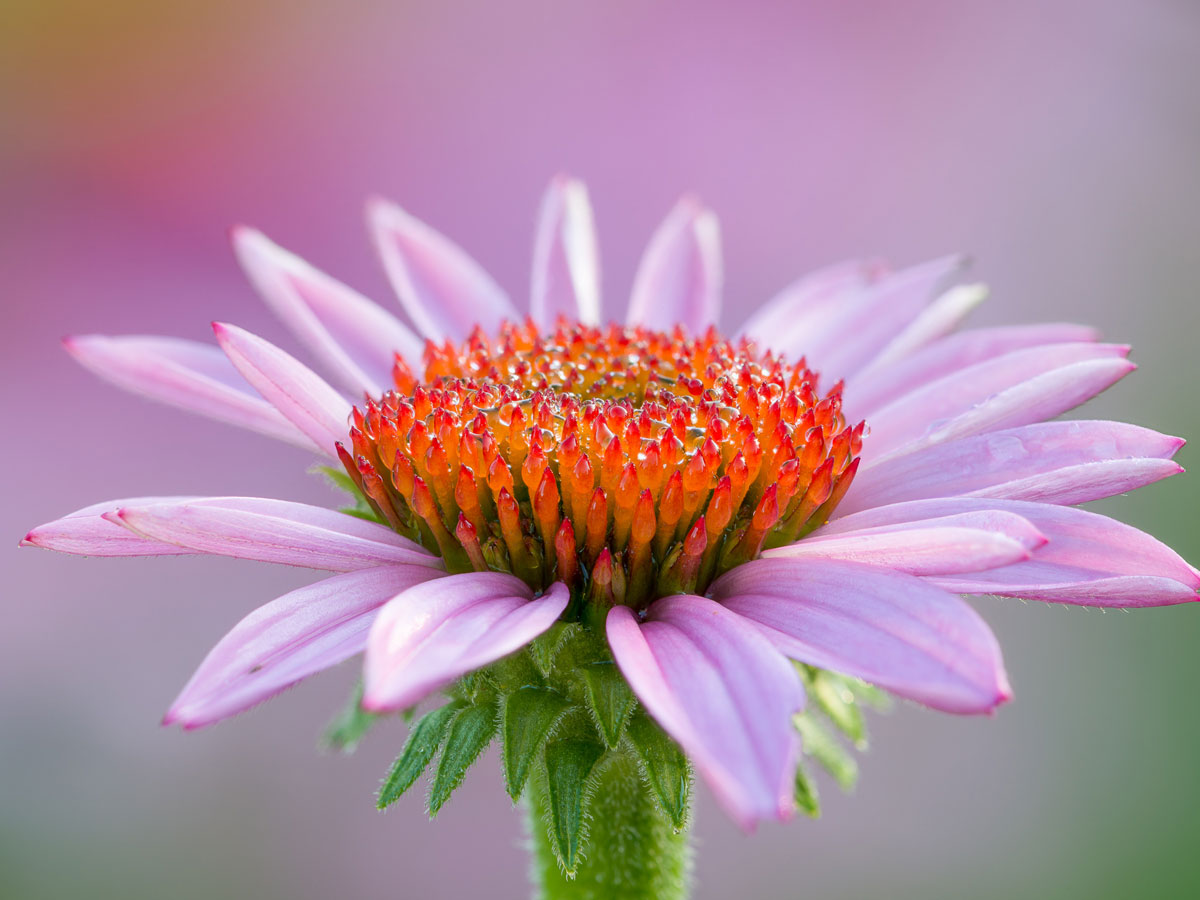
Herbal Scrubs & Oils with Native Plants
Sunday, May 12
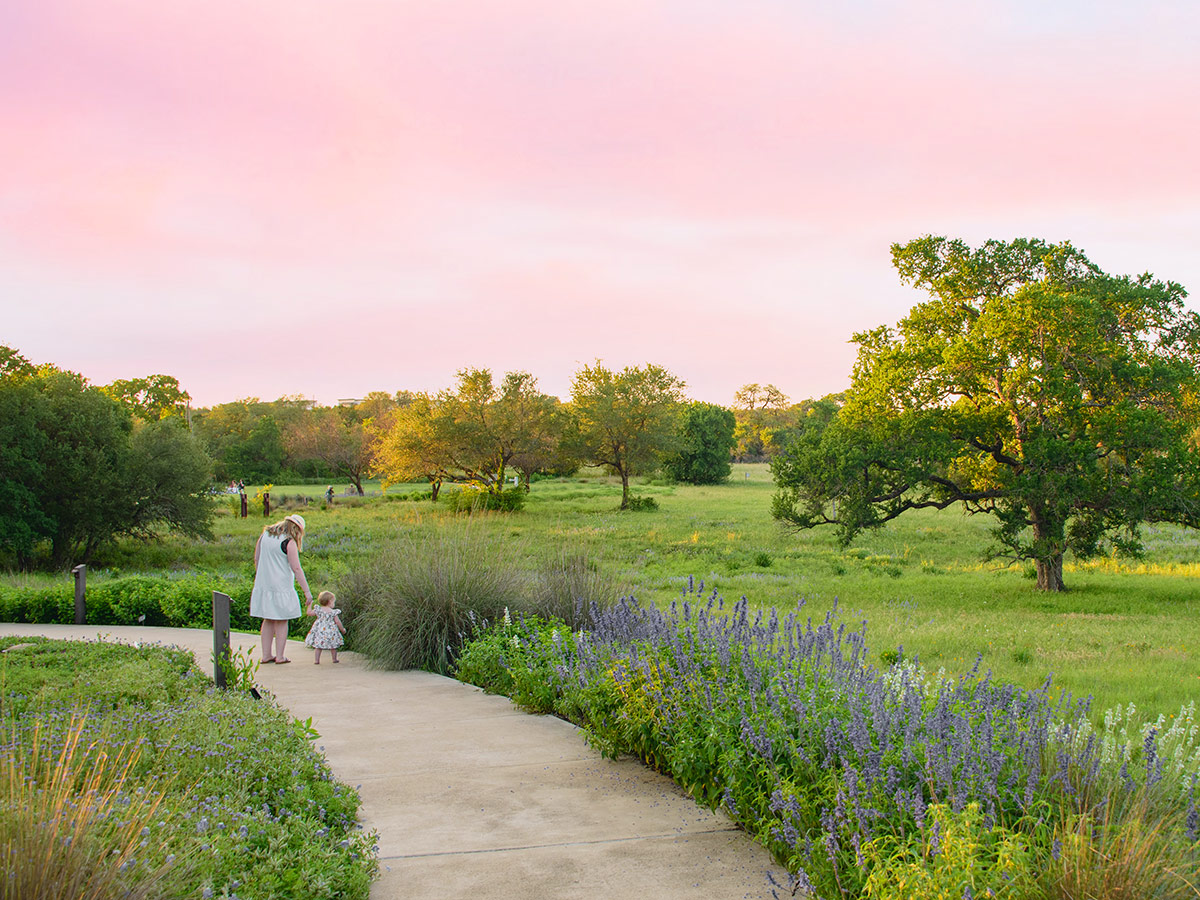
Mother's Day
Sunday, May 12
GARDEN VIEWS
An inside glimpse of the gardens from our Instagram feed
Join us at the Wildflower Center for Lady Bird Day on May 11th, honoring our founder`s incredible environmental legacy in Texas and beyond! Experience the premiere of the mesmerizing Ladybird Suite, a site-specific musical composition that examines the environmental work of Lady Bird Johnson as well as the artistic contributions of trail-musicians Alice Coltrane and Pauline Oliveros.
Plus, get creative with special classes, check out her classic recipes, and discover more about her story! Learn more at the link in our bio. 🌼
#LadyBirdDay #WildflowerCenter #StayWild
May 7

Embrace the vibrant hues of National Wildflower Week! 🌼🎶 This annual celebration not only highlights the stunning diversity of wildflowers but also underscores their crucial role in supporting ecosystems and pollinators.
Join us at the Wildflower Center botanical garden as we honor these unsung heroes of nature with a musical touch - Tuesday Twilights returns tomorrow, May 7th! From 5 p.m. to 8 p.m., you and your loved ones of all ages can appreciate the wide variety of seasonal blooms to the tune of some samba, bossa nova, and other Brazilian music styles! Here’s just a sample of the fun planned for this event:
MUSIC: Susanna Sharpe Trio
FOOD: @craigosfoodtruck @ikenaves1 and @dulcefridaatx
DRINK: Tito’s Agua Fresca!
Thank you to our Tuesday Twilights sponsor @titosvodka !
#WildflowerCenter #StayWild #TuesdayTwilights
May 6
This Mother`s Day, honor the ones that have helped you grow at the Wildflower Center! 🌱
Celebrate the mothers in your life (and Mother Nature!) with us on Sunday, May 12, from 9 a.m. to 4 p.m. Enjoy specialty cocktails, order–ahead charcuterie picnic boxes from @spreadandco, performances by @austinsymphonyorchestra’s string quartet and @ryandesiatomusic, and much more while relaxing among the blooming wildflowers of our botanical gardens.
This celebration is on, rain or shine, so plan your weekend now - spots will start filling up fast! To reserve your space or to order a picnic box, visit the link in our bio!
📷: @alitexas
#MothersDay #WildflowerCenter #StayWild
May 5
Plant memories at our Mommy & Me Gardening Hour on May 11 from 10-11 a.m.!
Perfect for moms and kids (18 months to 5 years), this session offers a chance to learn basic gardening techniques, weed identification, transplanting and child-friendly plant knowledge together. Each pair will receive one terracotta pot and a plant to start their gardening journey!
Spaces are limited, so secure your spot quickly. Tap the link in our bio for a morning filled with green thumbs and giggles!
#StayWild #WildflowerCenter
May 4
Grow your green thumb at our Container Gardening Workshop on May 11 from 9-11 a.m.! 🌱
Create a portable native plant paradise on your patio, balcony, or in your yard with this hands-on workshop. Learn how to identify native plants that do well in containers and get tips for transplanting and keeping your flora healthy.
Space is limited and registration is required; plants and materials included! Container gardening workshops are very popular at the Wildflower Center and tend to sell out quickly, so don`t delay and register today by visiting the link in our bio.
📷: Patrick Newman photographed by Brian Birzer
#StayWIld #WildflowerCenter
May 3
Join us for "Birds in the Landscape" on May 9 from 8-10 a.m.!
Explore our gardens with Travis Audubon birders and our horticulturists. Your guides will help identify both native and migratory birds and the native plants they rely on for food and shelter. Bring binoculars to see what feathered friends you can find throughout the gardens.
Click the link in our bio to register!
📷: Yellow-rumped Warbler, photo by Bill J Boyd
#StayWild #WildflowerCenter
May 2
Coming May 17 - Dinosaurs Around the World! 💫🦖
For this brand-new exhibit, The Wildflower Center will be transformed into the prehistoric supercontinent of Pangea! Travel back in time with us to each of the world’s continents and meet 10 life-sized animatronic dinosaurs. From their humble beginnings 238 million years ago through their reign that lasted 172 million years, you’ll follow the journey of these fascinating creatures as you stroll through our gardens and discover what the world was like in the Age of Reptiles. Stay tuned for more details!
Dinosaurs Around the World: The Great Outdoors is produced by @imagineexhibitions and was created in collaboration with esteemed paleontologist, Dr. Gregory M. Erickson.
#WildflowerCenter #StayWild #DinosaursAroundTheWorld
May 1
PLEASE NOTE: This event has been CANCELED due to weather. Our gardens are still open for exploration.
This weekend, come celebrate the 10th anniversary of the Luci & Ian Family Garden with us at our Family Garden Fest! 🌳
Enjoy live music, treats, face painting, bubbles, and more free activities for the whole family on May 4th and 5th. To check out the music lineup or to add this event to your calendar, visit the link in our bio!
#WildflowerCenter #StayWild #FamilyGardenFest
Apr 30
Check out the nose on this little guy! 🦇 This bat’s elongated muzzle isn’t just adorable – it`s useful for extracting nectar and protein-rich pollen from plants. Mexican long-nosed bats (Leptonycteris nivalis) also have long tongues that can extend nearly three inches from their bodies!
If you want to support this endangered species and others, visit the link in our bio or go to wildflower.org/adopt to adopt the Mexican long-nosed bat or choose from the other pollinators by May 14. Each symbolic adoption includes an emailed and easily printed kit, with three weekly activity sheets and a certificate of completion. Thanks to all those who`ve already adopted pollinators for supporting these amazing creatures, crucial for keeping our gardens in full bloom!
📷: Merlin Tuttle #WildflowerCenter #StayWild
Apr 29
The weather`s getting warmer, but Tuesday Twilights stays as cool as ever! Join us Tuesday, April 30th, from 5 - 8 p.m. for an evening filled with folk rock, food, and friends - check out the lineup below:
MUSIC: @bettysoo
FOOD: @garboslobster and @konfusedesindianfoodtruck
DRINK: Tito`s Spicy Watermelon Cocktail!
A huge shout-out is in order for our event sponsor, @titosvodka!
#WildflowerCenter #StayWild #TuesdayTwilights
Apr 28
Join us at the Wildflower Center for Lady Bird Day on May 11th, honoring our founder`s incredible environmental legacy in Texas and beyond! Experience the premiere of the mesmerizing Ladybird Suite, a site-specific musical composition that examines the environmental work of Lady Bird Johnson as well as the artistic contributions of trail-musicians Alice Coltrane and Pauline Oliveros.
Plus, get creative with special classes, check out her classic recipes, and discover more about her story! Learn more at the link in our bio. 🌼
#LadyBirdDay #WildflowerCenter #StayWild
May 7
Embrace the vibrant hues of National Wildflower Week! 🌼🎶 This annual celebration not only highlights the stunning diversity of wildflowers but also underscores their crucial role in supporting ecosystems and pollinators.
Join us at the Wildflower Center botanical garden as we honor these unsung heroes of nature with a musical touch - Tuesday Twilights returns tomorrow, May 7th! From 5 p.m. to 8 p.m., you and your loved ones of all ages can appreciate the wide variety of seasonal blooms to the tune of some samba, bossa nova, and other Brazilian music styles! Here’s just a sample of the fun planned for this event:
MUSIC: Susanna Sharpe Trio
FOOD: @craigosfoodtruck @ikenaves1 and @dulcefridaatx
DRINK: Tito’s Agua Fresca!
Thank you to our Tuesday Twilights sponsor @titosvodka !
#WildflowerCenter #StayWild #TuesdayTwilights
May 6
This Mother`s Day, honor the ones that have helped you grow at the Wildflower Center! 🌱
Celebrate the mothers in your life (and Mother Nature!) with us on Sunday, May 12, from 9 a.m. to 4 p.m. Enjoy specialty cocktails, order–ahead charcuterie picnic boxes from @spreadandco, performances by @austinsymphonyorchestra’s string quartet and @ryandesiatomusic, and much more while relaxing among the blooming wildflowers of our botanical gardens.
This celebration is on, rain or shine, so plan your weekend now - spots will start filling up fast! To reserve your space or to order a picnic box, visit the link in our bio!
📷: @alitexas
#MothersDay #WildflowerCenter #StayWild
May 5
Plant memories at our Mommy & Me Gardening Hour on May 11 from 10-11 a.m.!
Perfect for moms and kids (18 months to 5 years), this session offers a chance to learn basic gardening techniques, weed identification, transplanting and child-friendly plant knowledge together. Each pair will receive one terracotta pot and a plant to start their gardening journey!
Spaces are limited, so secure your spot quickly. Tap the link in our bio for a morning filled with green thumbs and giggles!
#StayWild #WildflowerCenter
May 4
Grow your green thumb at our Container Gardening Workshop on May 11 from 9-11 a.m.! 🌱
Create a portable native plant paradise on your patio, balcony, or in your yard with this hands-on workshop. Learn how to identify native plants that do well in containers and get tips for transplanting and keeping your flora healthy.
Space is limited and registration is required; plants and materials included! Container gardening workshops are very popular at the Wildflower Center and tend to sell out quickly, so don`t delay and register today by visiting the link in our bio.
📷: Patrick Newman photographed by Brian Birzer
#StayWIld #WildflowerCenter
May 3
Join us for "Birds in the Landscape" on May 9 from 8-10 a.m.!
Explore our gardens with Travis Audubon birders and our horticulturists. Your guides will help identify both native and migratory birds and the native plants they rely on for food and shelter. Bring binoculars to see what feathered friends you can find throughout the gardens.
Click the link in our bio to register!
📷: Yellow-rumped Warbler, photo by Bill J Boyd
#StayWild #WildflowerCenter
May 2
Coming May 17 - Dinosaurs Around the World! 💫🦖
For this brand-new exhibit, The Wildflower Center will be transformed into the prehistoric supercontinent of Pangea! Travel back in time with us to each of the world’s continents and meet 10 life-sized animatronic dinosaurs. From their humble beginnings 238 million years ago through their reign that lasted 172 million years, you’ll follow the journey of these fascinating creatures as you stroll through our gardens and discover what the world was like in the Age of Reptiles. Stay tuned for more details!
Dinosaurs Around the World: The Great Outdoors is produced by @imagineexhibitions and was created in collaboration with esteemed paleontologist, Dr. Gregory M. Erickson.
#WildflowerCenter #StayWild #DinosaursAroundTheWorld
May 1
PLEASE NOTE: This event has been CANCELED due to weather. Our gardens are still open for exploration.
This weekend, come celebrate the 10th anniversary of the Luci & Ian Family Garden with us at our Family Garden Fest! 🌳
Enjoy live music, treats, face painting, bubbles, and more free activities for the whole family on May 4th and 5th. To check out the music lineup or to add this event to your calendar, visit the link in our bio!
#WildflowerCenter #StayWild #FamilyGardenFest
Apr 30
Check out the nose on this little guy! 🦇 This bat’s elongated muzzle isn’t just adorable – it`s useful for extracting nectar and protein-rich pollen from plants. Mexican long-nosed bats (Leptonycteris nivalis) also have long tongues that can extend nearly three inches from their bodies!
If you want to support this endangered species and others, visit the link in our bio or go to wildflower.org/adopt to adopt the Mexican long-nosed bat or choose from the other pollinators by May 14. Each symbolic adoption includes an emailed and easily printed kit, with three weekly activity sheets and a certificate of completion. Thanks to all those who`ve already adopted pollinators for supporting these amazing creatures, crucial for keeping our gardens in full bloom!
📷: Merlin Tuttle #WildflowerCenter #StayWild
Apr 29
The weather`s getting warmer, but Tuesday Twilights stays as cool as ever! Join us Tuesday, April 30th, from 5 - 8 p.m. for an evening filled with folk rock, food, and friends - check out the lineup below:
MUSIC: @bettysoo
FOOD: @garboslobster and @konfusedesindianfoodtruck
DRINK: Tito`s Spicy Watermelon Cocktail!
A huge shout-out is in order for our event sponsor, @titosvodka!
#WildflowerCenter #StayWild #TuesdayTwilights
Apr 28
Help us spread the beauty!
EXPLORE MORE
Expert advice, plant nerdery and inspiring stories
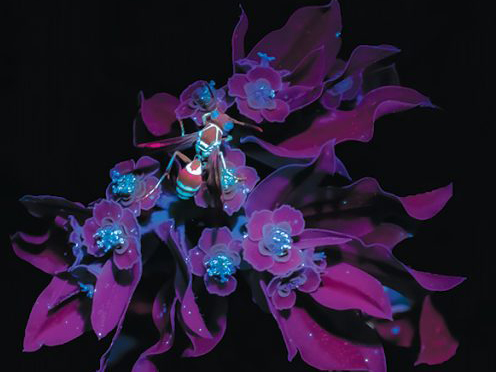
A Different Light
Creative photography helps us see flowers with new eyes
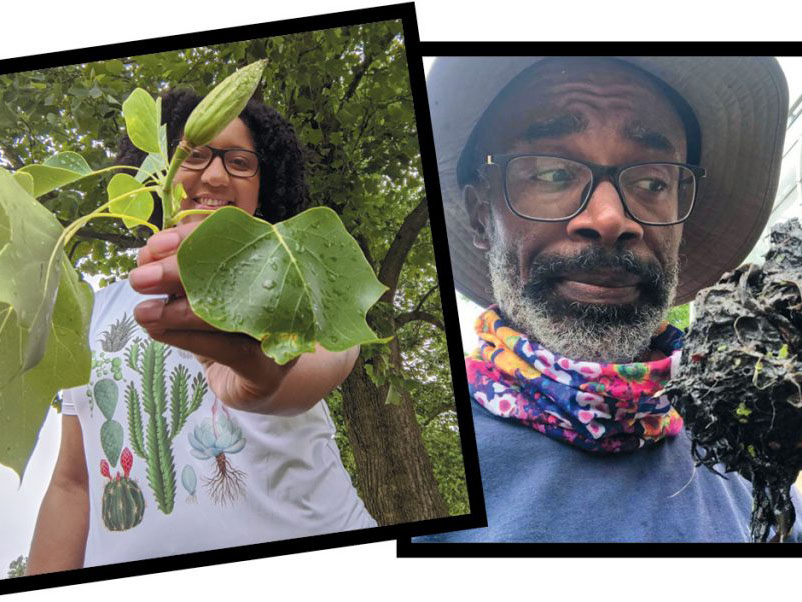
Reflections and Reclamation