Native Plants

Q. Who is Mr. Smarty Plants?
A: There are those who suspect Wildflower Center volunteers are the culpable and capable culprits. Yet, others think staff members play some, albeit small, role. You can torture us with your plant questions, but we will never reveal the Green Guru's secret identity.

Did you know you can access the Native Plant Information Network with your web-enabled smartphone?

Ask Mr. Smarty Plants
Ask Mr. Smarty Plants is a free service provided by the staff and volunteers at the Lady Bird Johnson Wildflower Center.

rate this answer

Friday - April 05, 2013
From: South Elgin, IL
Region: Midwest
Topic: Shade Tolerant, Herbs/Forbs, Trees
Title: Flower color under large pine tree from South Elgin IL
Answered by: Barbara Medford
QUESTION:
I have a very large pine tree that I would like to plant some flowers under. I have hostas, stonecrop and fern, but like to add some color. What do you suggest? Thank you.ANSWER:
Since we don't know the species of pine that you have and also since the plants you already have are not all native to North America, we will not be able to be too accurate in our answer, but will take a stab at it. The Lady Bird Johnson Wildflower Center, home of Mr. Smarty Plants, will recommend only plants native not only to North America but to the area in which the plant will be grown; in your case, Kane County in northeast Illinois. The first thing we will have to find out is if pine trees exhibit allelopathy on plants beneath them. Allelopathy is a process whereby some plants, mostly trees, secrete substances to inhibit growth in plants beneath them to eliminate competition.
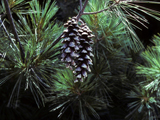
There are 6 members of the Pinus (pine) genus native to Illinois, and Pinus strobus (Eastern white pine) is shown on this USDA Plant Profile Map as growing in nearby DuPage and Lake Counties, so we will choose that as an example. We could find no specific indication of allelopathy from that pine, although newly fallen pinecones and needles are thought to exibit some adverse effects. Pine needles that have been on the ground for some time have a minimal effect on plants growing beneath them and, over time, will cause the soil to become somewhat acidic.
Going to our Native Plant Database and, using the Combination Search part way down that page, we will select on Illinois, "herbs" (herbaceous blooming plants) on Habit, and "shade" and "part shade" on Light Requirements. You can repeat the search for yourself choosing bloom times and colors, height, etc. Follow each plant link to our webpage on that plant to learn its growing conditions, soil requirements and so forth. We will check the USDA Plant Database on each one we select to make sure it is native to northeastern Illinois. This gave us 476 plant possibilities, so there are a lot more out there. We only got to the "F's in the alphabetical list:
Antennaria plantaginifolia (Plantain-leaf pussytoes)
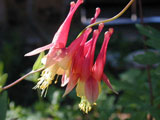
Aquilegia canadensis (Eastern red columbine)
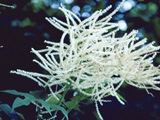
Aruncus dioicus (Bride's feathers)
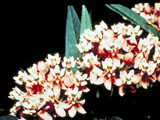
Asclepias incarnata (Swamp milkweed)
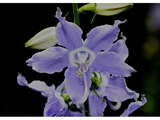
Campanulastrum americanum (American bellflower)
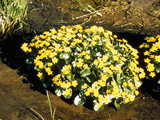
Caltha palustris (Yellow marsh marigold)
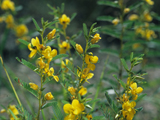
Chamaecrista fasciculata (Partridge pea)
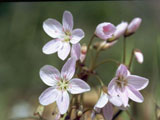
Claytonia virginica (Virginia springbeauty)
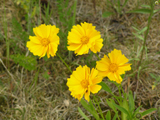
Coreopsis lanceolata (Lanceleaf coreopsis)
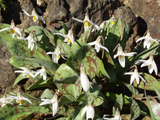
Erythronium albidum (White troutlily)
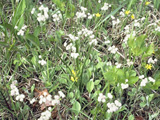
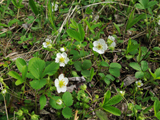
Fragaria virginiana (Virginia strawberry)
If you have difficulty finding the native plants you want, go to our National Suppliers Directory, put your town and state or just your zip code in the "Enter Search Location box and click on GO. This will give you a list of native plant nurseries, seed suppliers and consultants in your general area. All have contact information so you can find out if they have what you are looking for before you start shopping.
From the Image Gallery
More Trees Questions
Native plants for Texarkana, TX
March 31, 2011 - I've been searching for a dependable list of attractive north east native plants, for gardens, landscaping, etc. Specifically, native flowers and shrubs.
view the full question and answer
Carolina buckthorn and Neem Oil Spray Damage
April 27, 2015 - It's April, I have a Carolina buckthorn that seemed to be doing well, about 8 feet tall, about 2 years old in part shade. It was putting out new leaves about a month ago and seemed to have infestati...
view the full question and answer
Plants for area around pool in Plano, Texas
October 13, 2009 - I just built an in ground pool in Plano, Texas and now want to landscape around it on my own. I am curious what plants/shrubs you recommend. There will be plants/shrubs on three sides of the pool. ...
view the full question and answer
Native plants for wildlife habitat in West Virginia
February 05, 2008 - We live in the southern region of Summers County in West Virginia. Our yard has a lot of shell and small rocks in it; it is in direct sun light. I would love to have a welcoming hummingbird, butterfly...
view the full question and answer
Privacy Hedge Suggestions for Tampa, Florida
May 15, 2014 - My back wall is made of stone and is about 6' high. We are very close to a busy road. I need a plant that will reach about 7-8 feet high or a hedge to reduce some of the noise. What plant/hedge would...
view the full question and answer
| Support the Wildflower Center by Donating Online or Becoming a Member today. |