Native Plants

Q. Who is Mr. Smarty Plants?
A: There are those who suspect Wildflower Center volunteers are the culpable and capable culprits. Yet, others think staff members play some, albeit small, role. You can torture us with your plant questions, but we will never reveal the Green Guru's secret identity.

Did you know you can access the Native Plant Information Network with your web-enabled smartphone?

Ask Mr. Smarty Plants
Ask Mr. Smarty Plants is a free service provided by the staff and volunteers at the Lady Bird Johnson Wildflower Center.

rate this answer

Friday - February 13, 2009
From: Schertz, TX
Region: Southwest
Topic: Propagation
Title: Native plants for sale end of April in Schertz TX
Answered by: Barbara Medford
QUESTION:
I am trying to raise some native plants for a fund-raiser .They need to be salable by the end of April. Something with flowers would be nice. Any suggestions?ANSWER:
It may be a little late to start on your project. The Lady Bird Johnson Wildflower Center has a plant sale the second weekend in mid-April, and our Plant Nursery has been busy all winter seeding and taking cuttings, progressing the plants from the greenhouse to the sheltered yard to the sun yard. In Texas, most plants grown from seed are planted in the Fall to benefit from Fall rains (when we have any) and cold temperatures to help the seeds break dormancy and begin germination.
About the best we can suggest is that you inspect your own garden and perhaps those of generous friends for perennials that clump and can be divided and potted up. This is a good time to do that anyway. Whether they will be blooming by the time of your sale is not something we can determine. We are going to go to our Recommended Species section, click on Central Texas on the map, NARROW YOUR SEARCH, and select "Herbs" (herbaceous blooming plants) under Habit and "Perennial" under Duration. Then we'll take a look at the Propagation Instructions on the webpage on each individual plant, and select some of our favorites that can be propagated by division. You will need to get them potted up quickly in good potting soil and give them sun and water appropriate to their needs. Those requirements are also listed on the individual pages. Here is an article from Ezine@rticles on Plant Propagation by Division which will help you decide what plants you can divide and how to care for them.
PLANTS FOR DIVISION IN CENTRAL TEXAS
Asclepias asperula (spider milkweed)
Asclepias tuberosa (butterfly milkweed)
Conoclinium coelestinum (blue mistflower)
Coreopsis lanceolata (lanceleaf tickseed)
Echinacea purpurea (eastern purple coneflower)
Engelmannia peristenia (Engelmann's daisy)
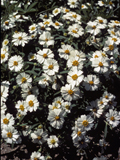
Melampodium leucanthum (plains blackfoot)
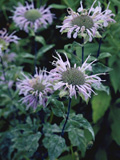
Monarda fistulosa (wild bergamot)
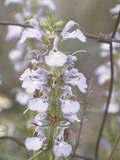
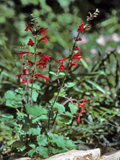
Salvia engelmannii (Engelmann's sage)
Salvia farinacea (mealycup sage)
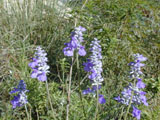
Salvia roemeriana (cedar sage)
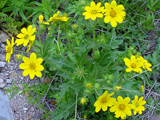
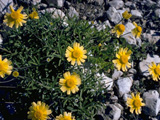
Tetraneuris scaposa var. scaposa (stemmy four-nerve daisy)

More Propagation Questions
Growing Green milkweed vine from seed
July 29, 2015 - I was given some seed for the pearl milkweed vine which I intend to plant, but I can find no information on whether to stratify or scarify them or just plant them. I know some milkweeds require strati...
view the full question and answer
Seeds to scatter from Austin
March 20, 2014 - Which seeds are good to throw and scatter on lawns or garden beds? Seeds that germinate easily, I suppose?
view the full question and answer
Standing Cypress Plants in San Antonio, TX
June 26, 2013 - I purchased seeds for standing cypress 2 years ago and this spring they look beautiful. What is the best way to harvest the seeds? Also, will the current plants come back next spring or will I have to...
view the full question and answer
Pollinating Pawpaws
February 06, 2013 - We have many good sized pawpaw trees in our area but they never bear any fruit. I've checked them at different times in the fall over the years but no fruit. Someone told me that the flowers were po...
view the full question and answer
Spreading bluebonnets in pasture from Ledbetter TX
April 29, 2013 - I've found a small patch of bluebonnets in my back pasture in Ledbetter, tx. What is the best method of encouraging their spread across the pasture? I've heard that one can pull up the plants and ...
view the full question and answer
| Support the Wildflower Center by Donating Online or Becoming a Member today. |