BECOME A MEMBER
Membership is a cost-effective way to visit often and support our important work. Please join our efforts to connect people to the natural world and create a more sustainable future.
EVENTS & CLASSES
Join us for one of our exciting classes, programs or events
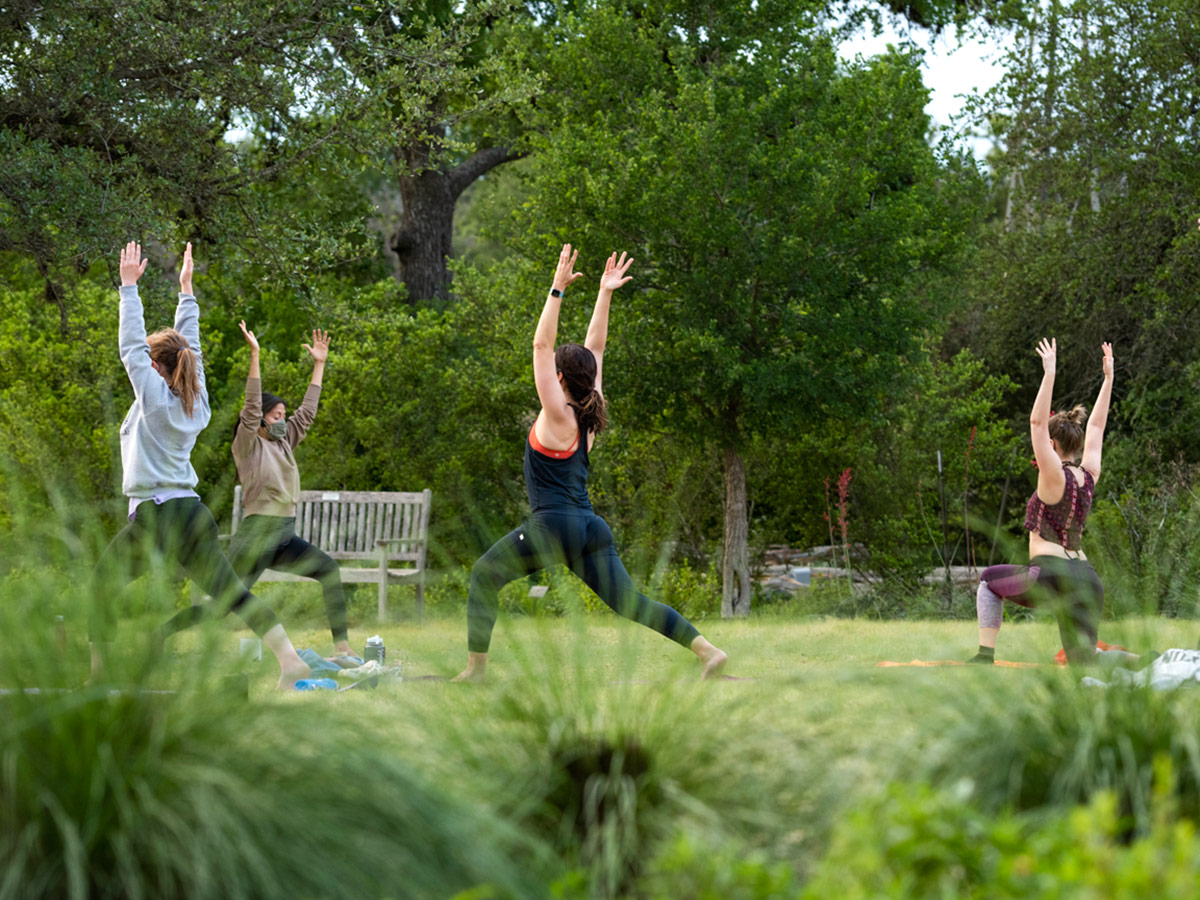
Yoga Fit
Mondays through August 19
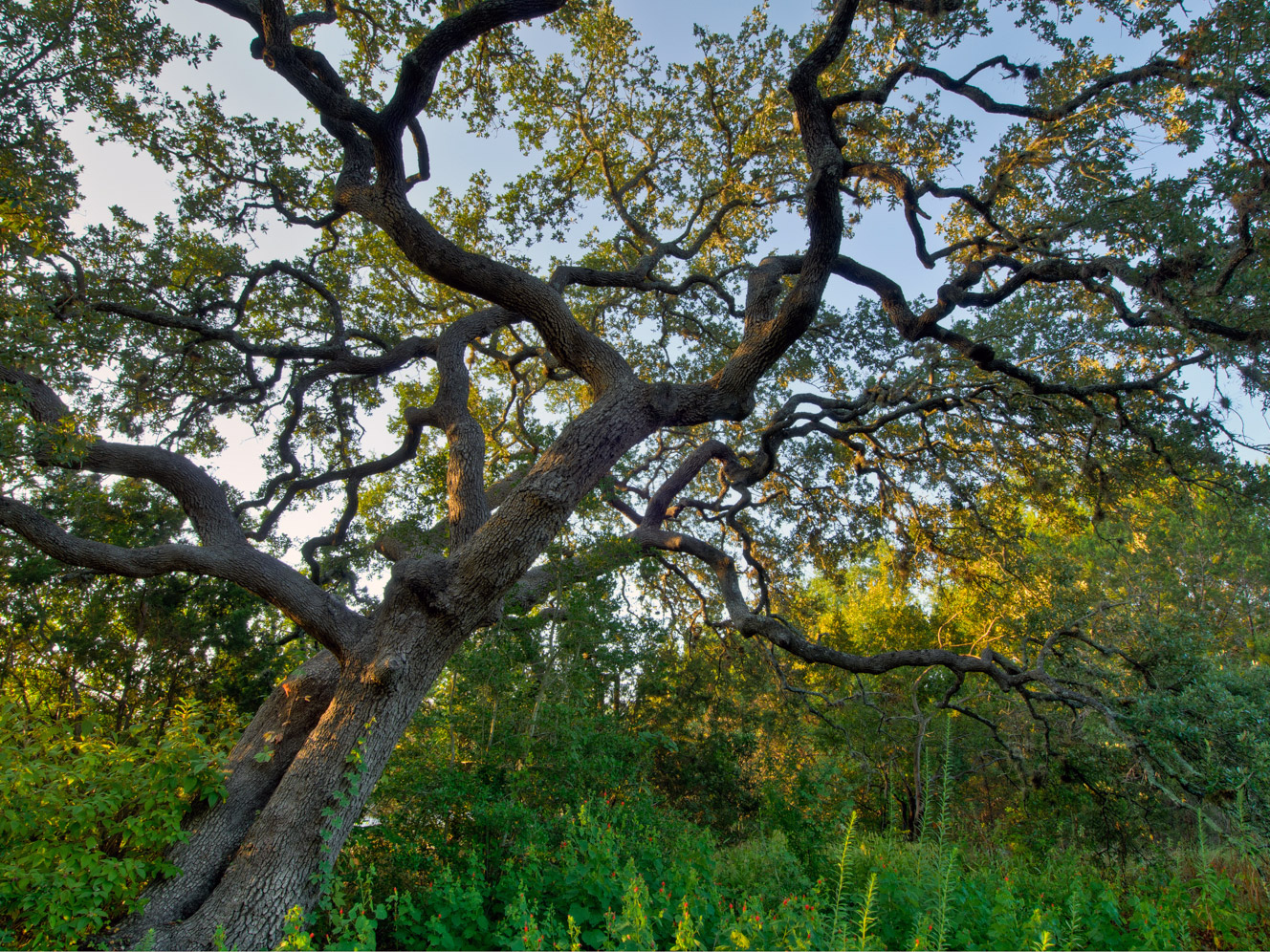
Forest Bathing
Sunday, August 4
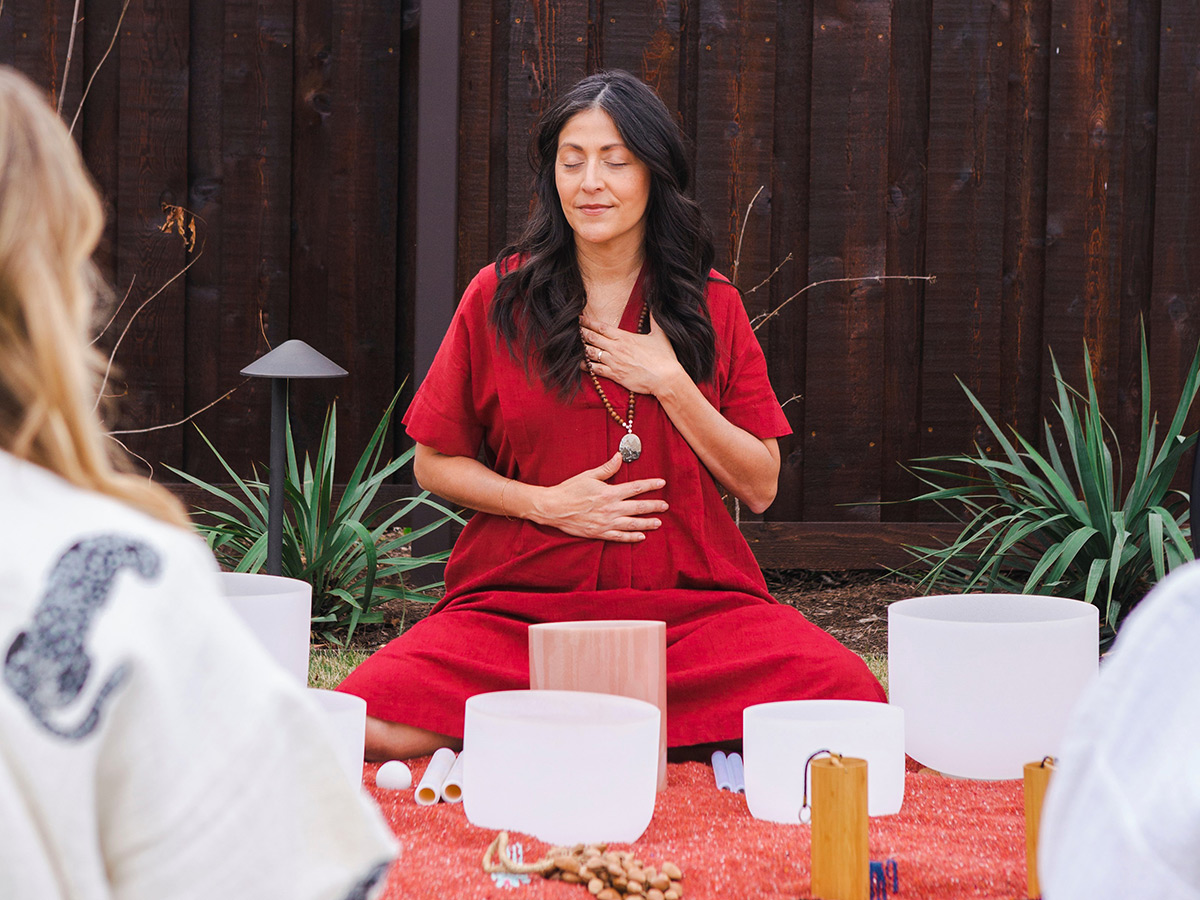
Yoga Retreat
Friday, July 26

Mindful Movement & Sound
Monday, August 19
GARDEN VIEWS
An inside glimpse of the gardens from our Instagram feed
Join Cultured Forest founder Brooke Mellen on Sunday, August 4 from 9 - 10 a.m. to experience tranquility amongst the trees through the Japanese practice of Shinrin-Yoku or Forest Bathing. Through this guided mindfulness and meditation session, you`ll learn to slow down, awaken your senses, and reconnect with the natural world in the Wildflower Center Arboretum. ✨
Don`t forget, members receive a discount for this session! Space is limited, so sign up now using the link in our bio.
📷: @tdimenno
#WildflowerCenter #StayWild #ForestBathing #ThingsToDoATX
Jul 26


BIG NEWS 🚩 It`s time to announce our 2024-2025 Fortlandia designers! This October, the vision of these talented creatives will transform the Family Garden into an imaginative wonderland of secret hideouts. ✨⛺️
Thank you and congratulations to:
STG Design (@stgdesign)
Chioco Design (@chioco_design) + Austin Custom CNC (@austincustomcnc)
Okkem Design (@okkemdesign)
Chris Honea
William Bonner (@dreams_redu) + Kennedy Rauh (@rauhdesigns)
ALT (@altxyou + @lizafishbone)
Ion Art (@ion_art_atx)
Victoria Majesta Marquez (@tori.majesta)
📷 @wildrosephotostudio
#Fortlandia #WildflowerCenter
Jul 25

Join our team! Do you love landscape restoration as much as we do? We’re looking for an experienced Arborist/Land Steward to help enhance our ecosystem by assisting with seed collection, prescribed burns, landscape maintenance, and much more (full-time position).
Learn more and apply now at the link in our bio.
📷 Wildflower Center
#WildflowerCenter #StayWild
Jul 24

Symbiotic relationships make the world go round! The intricate partnership between flowering plants and their pollinators, like this sweat bee (Agapostemon sp.) and Lindheimer’s senna (Senna lindheimeriana), is no exception. 🐝
🌸 Nectar and pollen are the most common currencies released by flowers in the essential exchange — a transaction that both encourages future pollination and sustains the busy creatures doing the work.
💡 But did you know the rewards stretch even further? Many plants boast specialized relationships, offering perks like alternatives to nectar or a safe haven for laying eggs. To explore some of the lesser-known bounties in the world of pollination, check out our recent article at the link in bio!
📷 Wildflower Center
#WildflowerCenter #StayWild
Jul 23

This week’s rainy forecast is sure to bring beautiful cenizo (Leucophyllum frutescens) blooms! Also known as Texas purple sage or "barometer bush," this native plant senses changes in barometric pressure and often responds with generous bursts of lavender-hued blossoms. 💜🌿
Popular across Central Texas, they’re drought-tolerant, deer-resistant, and if you look closely, you`ll see the delicate orange spots within each flower that entice a host of local pollinators. 🐝
Pack an umbrella (just in case!) ☔️ and revel in more beauty brought on by the summer rain with a visit to our gardens!
📷: Wildflower Center
#WildflowerCenter #StayWild
Jul 22

The Wildflower Center has launched a new Community Access Program – we`re partnering with local organizations that are providing meaningful support and services to members of our Austin community! Designed to build relationships with other Austin organizations and to reduce barriers that prevent access to nature, the Community Access Program is working with these partners to provide their members and clients free admission to enjoy our gardens and spaces.
Thanks to our friends at @adventurers_academy_atx for visiting and exploring the Center as our first participating organization! 🦕🌟– and thanks to the Tres Grace Family Foundation for their generous support, making this program possible!
#WildflowerCenter #StayWild
Jul 19

🌺 Did you know July sits in the middle of hummingbird season in Texas? 🌿 Our state boasts 19 official species of hummingbirds that pollinate a wide variety of native plants, like the flame acanthus (Aniscanthus quadrificlus var. wrightii) in this photo.
Keep your eyes peeled for these tiny wonders as they grace our gardens with their vibrant energy and delicate beauty! ✨
📷: Bill J. Boyd #WildflowerCenter #StayWild
Jul 18

We’re bidding a fond farewell to our Dinosaurs Around the World exhibit today! They have a long trip home to the Mesozoic Era (252 million years, to be exact), so let’s send them off with a celebration of their finest moments here at the Wildflower Center. 🦕💚
Special thanks to Imagine Exhibitions, paleontologist Dr. Gregory M. Erickson, Presenting Sponsors Lynda Robb and Josie Knight, and Dinosaur Friends @thermofisherscientific for their support in hosting these life-size reptiles in our gardens!
#WildflowerCenter #StayWild #DinosaursAroundtheWorld
Jul 17

Embrace the art of presence at the Wildflower Center with @atxyogagirl, Cynthia Bernard! Join us for a half-day retreat designed to infuse everyday life with peace and ease. 🧘♀️✨ Dive into movement, meditation, nature, and creativity - details below:
📅 Friday, July 26, 2024
🕘 9 a.m. – 1 p.m.
📍 Located in the Great Hall
No experience needed—just bring your open mind and heart! Secure your spot by registering today at the link below (price includes small bites & juice bar). Members enjoy 10% off. We can’t wait to share this morning of mindfulness with you! 🌼
https://www.wildflower.org/event/yoga-retreat/2024-07-26
📷: Cynthia Bernard #WildflowerCenter #StayWild
Jul 16

What makes a plant drought-tolerant or drought-resistant? 💧
In the summer heat in many parts of Texas, gardeners and horticulturalists that plant native are rewarded with hardiness and a reduction in water demand. Most drought-tolerant plants have a variety of traits that allow them to survive more extreme water and heat conditions, such as:
🌱 Deep, lateral-spreading roots
🌿 Small, thin leaves
🍃 Few leaves
🌵 Prickles and spikes
Each of these adaptations works together with other features of the plant to save on water! To learn more about drought-tolerant gardening best practices and tips, check out the link in our bio.
📷: Drought-tolerant red yucca (Hesperaloe parviflora), Wildflower Center
#StayWild #WildflowerCenter
Jul 15

Join Cultured Forest founder Brooke Mellen on Sunday, August 4 from 9 - 10 a.m. to experience tranquility amongst the trees through the Japanese practice of Shinrin-Yoku or Forest Bathing. Through this guided mindfulness and meditation session, you`ll learn to slow down, awaken your senses, and reconnect with the natural world in the Wildflower Center Arboretum. ✨
Don`t forget, members receive a discount for this session! Space is limited, so sign up now using the link in our bio.
📷: @tdimenno
#WildflowerCenter #StayWild #ForestBathing #ThingsToDoATX
Jul 26
BIG NEWS 🚩 It`s time to announce our 2024-2025 Fortlandia designers! This October, the vision of these talented creatives will transform the Family Garden into an imaginative wonderland of secret hideouts. ✨⛺️
Thank you and congratulations to:
STG Design (@stgdesign)
Chioco Design (@chioco_design) + Austin Custom CNC (@austincustomcnc)
Okkem Design (@okkemdesign)
Chris Honea
William Bonner (@dreams_redu) + Kennedy Rauh (@rauhdesigns)
ALT (@altxyou + @lizafishbone)
Ion Art (@ion_art_atx)
Victoria Majesta Marquez (@tori.majesta)
📷 @wildrosephotostudio
#Fortlandia #WildflowerCenter
Jul 25
Join our team! Do you love landscape restoration as much as we do? We’re looking for an experienced Arborist/Land Steward to help enhance our ecosystem by assisting with seed collection, prescribed burns, landscape maintenance, and much more (full-time position).
Learn more and apply now at the link in our bio.
📷 Wildflower Center
#WildflowerCenter #StayWild
Jul 24
Symbiotic relationships make the world go round! The intricate partnership between flowering plants and their pollinators, like this sweat bee (Agapostemon sp.) and Lindheimer’s senna (Senna lindheimeriana), is no exception. 🐝
🌸 Nectar and pollen are the most common currencies released by flowers in the essential exchange — a transaction that both encourages future pollination and sustains the busy creatures doing the work.
💡 But did you know the rewards stretch even further? Many plants boast specialized relationships, offering perks like alternatives to nectar or a safe haven for laying eggs. To explore some of the lesser-known bounties in the world of pollination, check out our recent article at the link in bio!
📷 Wildflower Center
#WildflowerCenter #StayWild
Jul 23
This week’s rainy forecast is sure to bring beautiful cenizo (Leucophyllum frutescens) blooms! Also known as Texas purple sage or "barometer bush," this native plant senses changes in barometric pressure and often responds with generous bursts of lavender-hued blossoms. 💜🌿
Popular across Central Texas, they’re drought-tolerant, deer-resistant, and if you look closely, you`ll see the delicate orange spots within each flower that entice a host of local pollinators. 🐝
Pack an umbrella (just in case!) ☔️ and revel in more beauty brought on by the summer rain with a visit to our gardens!
📷: Wildflower Center
#WildflowerCenter #StayWild
Jul 22
The Wildflower Center has launched a new Community Access Program – we`re partnering with local organizations that are providing meaningful support and services to members of our Austin community! Designed to build relationships with other Austin organizations and to reduce barriers that prevent access to nature, the Community Access Program is working with these partners to provide their members and clients free admission to enjoy our gardens and spaces.
Thanks to our friends at @adventurers_academy_atx for visiting and exploring the Center as our first participating organization! 🦕🌟– and thanks to the Tres Grace Family Foundation for their generous support, making this program possible!
#WildflowerCenter #StayWild
Jul 19
🌺 Did you know July sits in the middle of hummingbird season in Texas? 🌿 Our state boasts 19 official species of hummingbirds that pollinate a wide variety of native plants, like the flame acanthus (Aniscanthus quadrificlus var. wrightii) in this photo.
Keep your eyes peeled for these tiny wonders as they grace our gardens with their vibrant energy and delicate beauty! ✨
📷: Bill J. Boyd #WildflowerCenter #StayWild
Jul 18
We’re bidding a fond farewell to our Dinosaurs Around the World exhibit today! They have a long trip home to the Mesozoic Era (252 million years, to be exact), so let’s send them off with a celebration of their finest moments here at the Wildflower Center. 🦕💚
Special thanks to Imagine Exhibitions, paleontologist Dr. Gregory M. Erickson, Presenting Sponsors Lynda Robb and Josie Knight, and Dinosaur Friends @thermofisherscientific for their support in hosting these life-size reptiles in our gardens!
#WildflowerCenter #StayWild #DinosaursAroundtheWorld
Jul 17
Embrace the art of presence at the Wildflower Center with @atxyogagirl, Cynthia Bernard! Join us for a half-day retreat designed to infuse everyday life with peace and ease. 🧘♀️✨ Dive into movement, meditation, nature, and creativity - details below:
📅 Friday, July 26, 2024
🕘 9 a.m. – 1 p.m.
📍 Located in the Great Hall
No experience needed—just bring your open mind and heart! Secure your spot by registering today at the link below (price includes small bites & juice bar). Members enjoy 10% off. We can’t wait to share this morning of mindfulness with you! 🌼
https://www.wildflower.org/event/yoga-retreat/2024-07-26
📷: Cynthia Bernard #WildflowerCenter #StayWild
Jul 16
What makes a plant drought-tolerant or drought-resistant? 💧
In the summer heat in many parts of Texas, gardeners and horticulturalists that plant native are rewarded with hardiness and a reduction in water demand. Most drought-tolerant plants have a variety of traits that allow them to survive more extreme water and heat conditions, such as:
🌱 Deep, lateral-spreading roots
🌿 Small, thin leaves
🍃 Few leaves
🌵 Prickles and spikes
Each of these adaptations works together with other features of the plant to save on water! To learn more about drought-tolerant gardening best practices and tips, check out the link in our bio.
📷: Drought-tolerant red yucca (Hesperaloe parviflora), Wildflower Center
#StayWild #WildflowerCenter
Jul 15
Help us spread the beauty!
EXPLORE MORE
Expert advice, plant nerdery and inspiring stories

Horticultural Heroes
Rescuing flora from Central Texas’ development boom

Not Cutting It
Why No Mow May isn’t enough to change lawn culture

Go Big Red
Fans rally to conserve a rare sage