Native Plants

Plant Database
Search for native plants by scientific name, common name or family. If you are not sure what you are looking for, try the Combination Search or our Recommended Species lists.
Reveal, James L.
Lupinus sericeus
Lupinus sericeus Pursh
Silky Lupine
Fabaceae (Pea Family)
Synonym(s):
USDA Symbol: LUSE4
USDA Native Status: L48 (N), CAN (N)
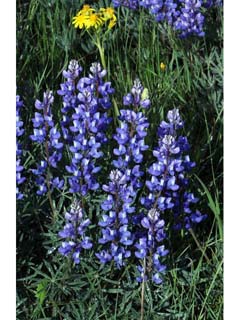
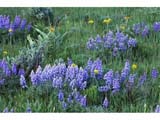
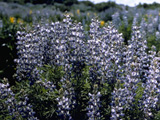
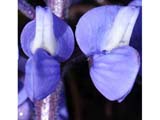
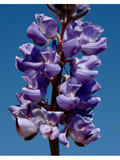
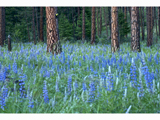
The flowers of this lupine are blue or mostly blue, in dense, terminal racemes. Its stems are diffusely branched, vary in height from 1-2 ft., and are clumped together on a coarse, branching root crown. Leaves are palmately compound, and each narrow leaflet is covered with silky hairs.
Plant Characteristics
Duration: PerennialHabit: Herb
Leaf Arrangement: Alternate
Fruit Type: Legume
Size Notes: Up to about 2 feet tall.
Leaf: Green
Bloom Information
Bloom Color: Blue , PurpleBloom Time: Jun , Jul , Aug
Distribution
USA: AZ , CO , ID , MT , NM , NV , OR , SD , UT , WA , WYCanada: AB
Native Distribution: Sask. & the Black Hills to n. NM, w. to B.C., e. WA & AZ
Native Habitat: Dry to moist valleys & mts. to 7000 ft.
Growing Conditions
Water Use: LowLight Requirement: Sun , Part Shade , Shade
Soil Moisture: Dry , Moist
CaCO3 Tolerance: Medium
Drought Tolerance: High
Soil Description: Moist to dry soils.
Benefit
Use Wildlife: Birds, Hummingbirds.Warning: Plant poisonous
Conspicuous Flowers: yes
Attracts: Birds , Hummingbirds
Value to Beneficial Insects
Special Value to Native BeesSpecial Value to Bumble Bees
This information was provided by the Pollinator Program at The Xerces Society for Invertebrate Conservation.
Propagation
Description: Propagate by seed or division. Fresh-sown seed need not be treated.Seed Treatment: Stored seed will need an acid or hot water treatment.
Commercially Avail: yes
Find Seed or Plants
Find seed sources for this species at the Native Seed Network.
View propagation protocol from Native Plants Network.
From the National Organizations Directory
According to the species list provided by Affiliate Organizations, this plant is on display at the following locations:Native Seed Network - Corvallis, OR
Additional resources
USDA: Find Lupinus sericeus in USDA PlantsFNA: Find Lupinus sericeus in the Flora of North America (if available)
Google: Search Google for Lupinus sericeus
Metadata
Record Modified: 2018-11-30Research By: TWC Staff