Native Plants

Plant Database
Search for native plants by scientific name, common name or family. If you are not sure what you are looking for, try the Combination Search or our Recommended Species lists.
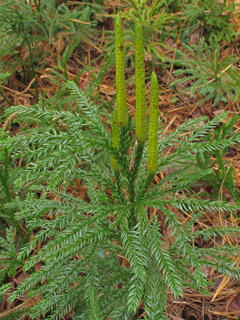
Cressler, Alan
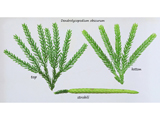
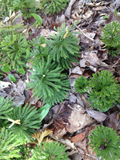
Lycopodium obscurum
Lycopodium obscurum L.
Rare Clubmoss, Common Ground-pine, Flat-branched Ground-pine, Princess'-pine, Tree Clubmoss
Lycopodiaceae (Club-Moss Family)
Synonym(s): Dendrolycopodium obscurum
USDA Symbol: LYOB
USDA Native Status: L48 (N), CAN (N)
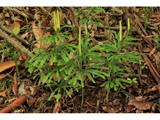
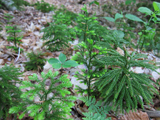
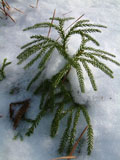
Plant Characteristics
Duration: PerennialHabit: Herb , Subshrub
Leaf Retention: Evergreen
Size Notes: Up to about 1 foot tall.
Bloom Information
Bloom Color: Not ApplicableBloom Notes: Non-flowering, sporulating plant.
Distribution
USA: AK , AL , CT , DC , DE , GA , IL , IN , KY , MA , MD , ME , MI , MN , NC , NH , NJ , NY , OH , PA , RI , SC , TN , VA , VT , WVCanada: NB , NS , ON , QC
Native Distribution: Eastern US and Canada.
Native Habitat: Mature, hardwood forests.
National Wetland Indicator Status
| Region: | AGCP | AK | AW | CB | EMP | GP | HI | MW | NCNE | WMVE |
| Status: | FACU | FACU | FACU | FACU | FACU |
Web Reference
Webref 38 - Flora of North America (2019) Missouri Botanical Garden, St. Louis, MO & Harvard University Herbaria, Cambridge, MA.Webref 23 - Southwest Environmental Information Network (2009) SEINet - Arizona Chapter
Additional resources
USDA: Find Lycopodium obscurum in USDA PlantsFNA: Find Lycopodium obscurum in the Flora of North America (if available)
Google: Search Google for Lycopodium obscurum
Metadata
Record Modified: 2023-02-17Research By: Joseph A. Marcus