Native Plants
Q. Who is Mr. Smarty Plants?
A: There are those who suspect Wildflower Center volunteers are the culpable and capable culprits. Yet, others think staff members play some, albeit small, role. You can torture us with your plant questions, but we will never reveal the Green Guru's secret identity.
Did you know you can access the Native Plant Information Network with your web-enabled smartphone?

Ask Mr. Smarty Plants
Ask Mr. Smarty Plants is a free service provided by the staff and volunteers at the Lady Bird Johnson Wildflower Center.
rate this answer

Thursday - December 13, 2012
From: San Antonio, TX
Region: Southwest
Topic: Butterfly Gardens, Deer Resistant, Herbs/Forbs, Shrubs, Wildflowers
Title: Texas natives that attract butterflies but not deer
Answered by: Guy Thompson
QUESTION:
I'd like to have some plants in my garden that are butterfly attractors, but that whitetail deer won't like. I can find lists of butterfly plants, and lists of deer-resistant plants -- is there a list that combines these two parameters in one list? I live just north of San Antonio city limits. Thank you.ANSWER:
I do not know of a listing of just the properties that you desire. But there are pertinent lists, such as the Landscapes Plants listing prepared by the City of Austin. Deer-resistant plants are indicated in this extensive plant list, and in the Comments column those species frequented by butterflies are shown. Shrubs, forbs, vines, and even grasses are included. Some of those plants are listed below as descriptions from the Lady Bird Johnson Wildflower Center Native Plant Database. At the bottom of some of these descriptions you will find the species of butterflies that are drawn to the plant.
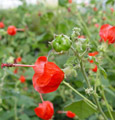
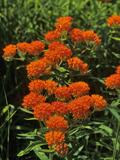
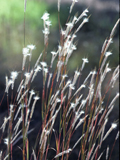
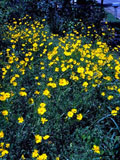
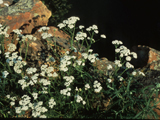
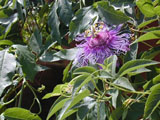
Lantana urticoides (Texas lantana), Buddleja marrubiifolia (Woolly butterflybush),Malvaviscus arboreus (Turkscap),Asclepias tuberosa (Butterflyweed), Schizachyrium scoparium (Little bluestem), Coreopsis lanceolata (Lanceleaf coreopsis), Gaura lindheimeri (Lindheimer's beeblossom), Packera obovata (Golden groundsel), Echinacea purpurea (Eastern purple coneflower), Salvia coccinea (Scarlet sage), Achillea millefolium (Common yarrow)and Passiflora incarnata (Purple passionflower). Images of these species are shown below.
From the Image Gallery

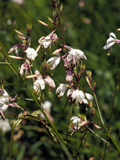
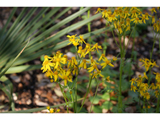
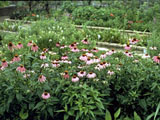
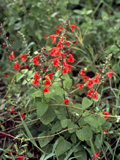
More Deer Resistant Questions
Deer-resistant plants for Anderson SC
October 27, 2010 - I usually plant pansies in the fall & impatiens in the spring under a large oak tree which gets afternoon sun. My impatiens were beautiful early on, but then were annihilated by something. I think i...
view the full question and answer
What plants are the most deer resistant in Connecticut?
May 13, 2009 - Please advise me as to what plants are the most deer resistant and native to Wilton, CT. Most importantly, what evergreen shrubs and perennials will best survive?
view the full question and answer
Is Smooth Sumac deer resistant
September 01, 2008 - Dear Mr. Smarty Plants,
I noticed there was no deer resistant rating for smooth sumac in your plant data base. Aromatic sumac is rated as 'high'.
Do you have an opinion on deer resistance for smo...
view the full question and answer
Evergreen, deer resistant privacy screen for Villanova PA
March 29, 2013 - Looking for something that is deer resistant and ideally evergreen to block a shed and fence that my neighbor recently installed. Live in Eastern PA. Not the best drainage and also shade for most of...
view the full question and answer
Deer resistance of maple leaf viburnum in Austin
November 20, 2009 - Looking on the Texas Plant Information Database for Maple Leaf Viburnum, I don’t find any information about deer (whitetail or axis, southern edge of Edwards Plateau) resistance. Other sites give mixe...
view the full question and answer
| Support the Wildflower Center by Donating Online or Becoming a Member today. |