Native Plants

Q. Who is Mr. Smarty Plants?
A: There are those who suspect Wildflower Center volunteers are the culpable and capable culprits. Yet, others think staff members play some, albeit small, role. You can torture us with your plant questions, but we will never reveal the Green Guru's secret identity.
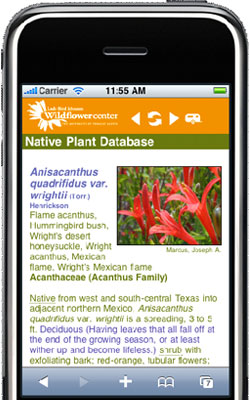
Did you know you can access the Native Plant Information Network with your web-enabled smartphone?

Ask Mr. Smarty Plants
Ask Mr. Smarty Plants is a free service provided by the staff and volunteers at the Lady Bird Johnson Wildflower Center.

rate this answer

Tuesday - November 02, 2010
From: Benton Harbor, MI
Region: Midwest
Topic: Compost and Mulch, Groundcovers, Grasses or Grass-like, Shrubs
Title: Ground cover to withstand dog traffic in Michigan
Answered by: Anne Bossart
QUESTION:
I need a soft ground cover that will grow in sand, and be able to take four big dogs that love to run in the yard. Grass just doesn't make it. Someone suggested that groundcover might work. Thanks for any suggestions you might have.ANSWER:
Well, I am afraid that we won't be of much help. The reason turf grasses are used is because they can withstand foot traffic better than perennial plants and groundcovers.
You say that the soil is sandy but don't mention if the yard is sunny and pretty much a wide open corral for the dogs to run in. If that is the case ... good luck! Just keep trying to encourage the grass to grow; the real reason the grass fails in the high traffic areas is due to compaction of the soil (yes, even dogs can compact the soil, especially if they run back and forth along the same path day in and day out). So aereate the lawn and top dress it with compost every year to keep those roots healthy.
However, if you would like to have some sort of garden and would like to try to keep the dogs out of the beds you might look at the design the dogs have created for you. In the areas (paths) they have trampled the grass, you could replace it with gravel or mulch and the areas they ignore could be turned into planting beds. I would recommend planting dense shrubs, vigorous perennials and big clumping native grasses in beds that are deep enough that the dogs can't see through and barge through.
You can visit the Recommended Species page on our Native Plant Database and it will generate a list of plants native to Michigan that are known to do well in a garden setting and are readily available. You will have to narrow your search to match the conditions in your yard (light and moisture).
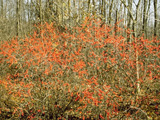
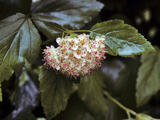
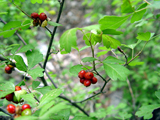
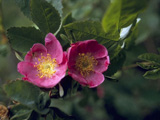
Here are a few you might try; you will notice that there are no ground covers on the list.
Shrubs
Ceanothus americanus (New jersey tea)
Cephalanthus occidentalis (Common buttonbush)
Cornus sericea (Redosier dogwood)
Ilex verticillata (Common winterberry)
Physocarpus opulifolius (Atlantic ninebark)
Rhus aromatica (Fragrant sumac)
Rosa acicularis (Prickly rose)
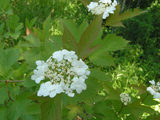
Viburnum opulus var. americanum (American cranberry bush)
Perennials (although the dogs certainly could break off the flowers, the plants are tough enough to survive)
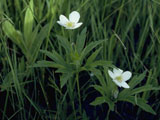
Anemone canadensis (Canadian anemone)
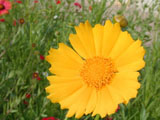
Coreopsis lanceolata (Lanceleaf coreopsis)
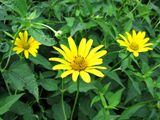
Heliopsis helianthoides (Smooth oxeye)
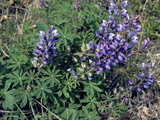
Lupinus perennis (Sundial lupine)
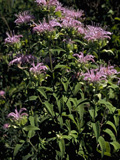
Monarda fistulosa (Wild bergamot)
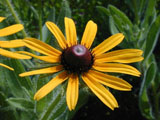
Rudbeckia hirta (Black-eyed susan)
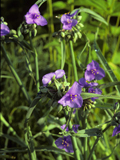
Tradescantia ohiensis (Bluejacket)
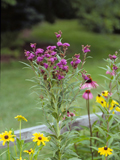
Vernonia fasciculata (Prairie ironweed)
Grasses
Calamagrostis canadensis (Bluejoint)
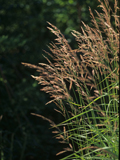
Panicum virgatum (Switchgrass)
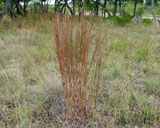
Schizachyrium scoparium (Little bluestem)

More Compost and Mulch Questions
Chlorosis on plants in Austin
April 09, 2013 - I have several plants that have chlorosis on the new growth. I did an at-home basic soil test. Ph came out at 7.5 (the highest the scale went, so it could be higher than that). Nitrogen and phosphorus...
view the full question and answer
Revegetation of school site with meadow plants from Austin
December 23, 2013 - We are revegetating a hill country school site (typical calciferous soil stripped of vegetation & minimal topsoil) with a native seed mix equal to Native American Seed "Meadow Mix". We have an abund...
view the full question and answer
Planting a tulip poplar in Virginia Beach VA
November 10, 2009 - Hi. I would like to plant a Yellow Poplar, 'Tulip Tree' in my front yard. I will not be able to plant this tree until after November 15th. The tree will receive direct sun and will be exposed to hea...
view the full question and answer
Fungus Spots on Native Bush Honeysuckle
December 03, 2010 - My native bush honeysuckle plants that I have along my back fence have leaves that are turning yellow with spots. It appears to be a type of fungus, but not powdery mildew. Any suggestions as to what ...
view the full question and answer
Could ammonia harm poisonous, non-native oleander in Bay Point CA
December 20, 2009 - Could ammonia harm my Oleander plant? I have been spraying ammonia under it to keep neighborhood cats from using the soil under the plant as a sand box. If so, do you have any suggestions as to what...
view the full question and answer
| Support the Wildflower Center by Donating Online or Becoming a Member today. |