Native Plants

Q. Who is Mr. Smarty Plants?
A: There are those who suspect Wildflower Center volunteers are the culpable and capable culprits. Yet, others think staff members play some, albeit small, role. You can torture us with your plant questions, but we will never reveal the Green Guru's secret identity.

Did you know you can access the Native Plant Information Network with your web-enabled smartphone?

Ask Mr. Smarty Plants
Ask Mr. Smarty Plants is a free service provided by the staff and volunteers at the Lady Bird Johnson Wildflower Center.

rate this answer

Thursday - May 06, 2010
From: Katy (Houston), TX
Region: Southwest
Topic: Transplants, Ferns
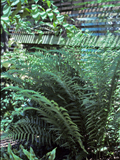
Title: Southern Woodferns in TX
Answered by: Anne Bossart
QUESTION:
I have recently bought some 3 gallon southern woodferns, and have planted them in the shade in a low spot with clay soil. It seems to be a good location for the ferns, but a week or two after transplanting they have lost more than half of their foliage. What can I do to make sure they get established well?ANSWER:
It does sound like you have chosen the ideal location for your Dryopteris ludoviciana (southern woodfern and it could be that they are just getting used to their new location.
There are a couple of things that could be a problem ... too much water or not enough. Even though their ideal situation is in moist or wet soil, if you are overwatering them enough that your clay soil is saturated, that could be too much. Also, if the plants were potbound when you planted them and you did not loosen the roots so the water can get into the rootball and the roots can work their way into the soil, the plant will actually be unable to take up the water you are giving it.
You might also take a frond to the nursery where you purchased or your local agricultural extension office it to see if they can diagnose the problem.
From the Image Gallery
More Ferns Questions
Low cost, low maintenance, water tolerants native plants for New Jersey
February 25, 2006 - I am planning a bed around my deck which will include shrubs and flowers. I am looking for plants that require a lot of water due to the wet soil conditions and poor drainage in my yard. Do you have...
view the full question and answer
Decline of Japanese ferns in Austin
June 16, 2008 - I've enjoyed beautiful Japanese ferns in my shaded garden for about ten years. They are looking spent and straggly, despite fish emulsion, compost,and lots of mulch and soaker hose watering in the s...
view the full question and answer
Erosion controlling plants for a shady Minnesota lakeside
August 11, 2015 - I live about 50 yards from a lake and there is a steep embankment. Recently someone decided to cut the trees off the embankment and now the dirt is eroding off the embankment as well as off my back ya...
view the full question and answer
Recovering neglected garden space from Grapevine TX
March 22, 2014 - I live in Grapevine TX (Dallas). I just moved into a house where almost the entire large backyard is covered by oak trees that shed tons of leaves throughout our mild falls/winters. The yard has not...
view the full question and answer
Identification of small purplish/pink flower with ferny leaves
March 13, 2011 - There is a totally adorable tiny flower blooming right now in my lease pasture near the Cedar Park Center in Cedar Park, TX. It has a rosette of 2"-3" ferny leaves circling a very tiny (1/4") purp...
view the full question and answer
| Support the Wildflower Center by Donating Online or Becoming a Member today. |