Native Plants

Q. Who is Mr. Smarty Plants?
A: There are those who suspect Wildflower Center volunteers are the culpable and capable culprits. Yet, others think staff members play some, albeit small, role. You can torture us with your plant questions, but we will never reveal the Green Guru's secret identity.

Did you know you can access the Native Plant Information Network with your web-enabled smartphone?

Ask Mr. Smarty Plants
Ask Mr. Smarty Plants is a free service provided by the staff and volunteers at the Lady Bird Johnson Wildflower Center.

rate this answer

Monday - October 11, 2010
From: Seguin, TX
Region: Southwest
Topic: Compost and Mulch, Soils, Grasses or Grass-like
Title: Need Native Cover Crop in Seguin, TX
Answered by: Marilyn Kircus
QUESTION:
Is there a native winter cover crop that would control erosion until spring vegetation takes over?ANSWER:
I’m not sure what you are planning to plant in the spring or how far along you are in getting your property ready for planting.
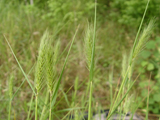
But the one native winter cover crop that I keep coming across is Elymus canadensis (Canada wild rye). You need to prepare the soil and then get it planted as soon as possible. Then, if you don’t want it around in future years, be sure to mow it to keep the seed heads from forming. If you are building a meadow, the Native Prairies Association says to be sure and remove the cover before planting the prairie grasses and flowers. You can cut it really short and then lightly disk it so it adds to the soil tilth. Here is an article that will give you all the details about wild rye and how to go about planting it. Sources include Wildflower Farm where you can buy a packet to a pound of seed.
Another option is to plant native wildflowers. October is the premier month to get them planted. But before Thanksgiving is also OK. Keep them watered, if you don’t get rain, to get them up and growing over the winter. You can also buy wildflower, grass mixes that will grow over the next year.
A third option is to a variant of sheet composting. I used to do this on the almost non-tillable clay soils in Houston, Texas. I would cover a bed with up to a foot of material in the fall, and come spring, I could dig it like dirt, instead of having to chop it or use the biggest Troy-Build tiller to wrestle it open. Collect leaves on yard waste collection day or wood trimmings that have been ground into mulch. Some counties have as much as you want for free. (I have hauled maybe a ton from Comal County over the past few years.) Some zoos offer zoo doo which is a mix of hay and ungulate and elephant waste. Dairies, horse stables and horse training facilities or anywhere that keeps horses in close quarters have composted manure free for the hauling. Ditto for chicken farms. You can also get in touch with the electric company’s tree trimmer contractor and they will be glad to empty their trucks on your property. If you have your own shredder, you can shred your own yard waste. You can even shred cardboard boxes. The glue has been shown to be beneficial to plant growth. If all else fails, you can buy mulch in bulk from soil companies.
Spread all this out six to twelve inches thick. Sprinkle it with blood meal or corn gluten if you have no manures in the mix, and water it in thoroughly. Water thoroughly every week that you don't get rain to speed decomposition.
Then next spring, you can pull the top layer away and dig planting holes right through the decomposed part. If you are planting seeds, rake off all the stuff that is still in pieces and save in a pile for later use. Then lightly till the decomposed inch into the first 4-6inches of the soil and plant seedlings. (If you are planting seeds, just pull almost all of it off and mix with only one – two inches of soil so you don’t bring resting seeds to the surface.) When you check your soil, you will find that it is much lighter and has lots more earthworms than it did before you mulched it. And the mulch will prevent erosion. After you plant, it will help keep the plants cool, retain water, and suppress weeds.
More Grasses or Grass-like Questions
Container plants for Yakima WA
May 11, 2013 - My condo complex has purchased large, pottery pots for around our pool. I need to choose low maintenance plants. hopefully something that takes limited water, etc.
view the full question and answer
Plants to stabilize a bank in VT
April 10, 2012 - I am looking for suggestion on what plants might best be suited for aiding in the stabilization of a very steep bank above Lake Champlain.
view the full question and answer
Is installing irrigation with Habiturf a good idea in Round Rock Texas?
December 05, 2011 - Mr. Smarty Plants,
I am in the process of planning a new lawn in my front yard. We have decided to plant the Habiturf seed mix (thank you, by the way). Originally, we planned on installing a spri...
view the full question and answer
Full list of grasses for Connecticut from New York City
January 28, 2012 - Sorry, this is a followup to the native Connecticut grass query I sent half an hour ago. I see that it was asking for 'recommended species' that I ended up with such a short list of grasses (3). Th...
view the full question and answer
Native grasses for horses in Manor, TX
January 20, 2011 - Hi, Can you tell me which native grasses to plant that would grow (and be drought tolerant) in the Manor area. The area we would like to plant seeds has some sun and part shade. There appear to be so...
view the full question and answer
| Support the Wildflower Center by Donating Online or Becoming a Member today. |