Native Plants

Q. Who is Mr. Smarty Plants?
A: There are those who suspect Wildflower Center volunteers are the culpable and capable culprits. Yet, others think staff members play some, albeit small, role. You can torture us with your plant questions, but we will never reveal the Green Guru's secret identity.

Did you know you can access the Native Plant Information Network with your web-enabled smartphone?

Ask Mr. Smarty Plants
Ask Mr. Smarty Plants is a free service provided by the staff and volunteers at the Lady Bird Johnson Wildflower Center.

rate this answer

Saturday - June 12, 2010
From: Southampton, NY
Region: Northeast
Topic: Wildlife Gardens
Title: Native plants to attract migrating birds
Answered by: Nan Hampton
QUESTION:
Can you suggest native plants that would attract migrating birds? I have a very sunny location, with very sandy soil. Thanks in advance for your answer.ANSWER:
Mr. Smarty Plants would like to suggest a very useful article, Landscaping to Attract Birds, from the Baltimore Bird Club. This article suggests several categories of food plants—conifers, grasses and legumes, nectar-producing plants, summer-fruiting plants, fall-fruiting plants and winter-fruiting plants. Birds use plants for shelter as well as for food. Here are some suggested New York native plants for these categories that grow well in sandy soils.
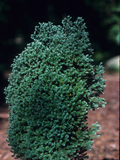
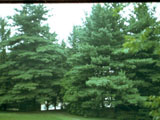
CONIFERS: Pines, spruces, firs, junipers, etc., are useful as shelter as well as for their sap, buds and seeds.
Chamaecyparis thyoides (Atlantic white cedar)
Pinus strobus (eastern white pine)
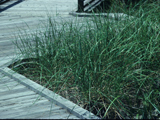
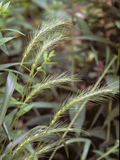
GRASSES AND LEGUMES:
Ammophila breviligulata (American beachgrass)
Elymus canadensis (Canada wildrye)
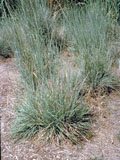
Schizachyrium scoparium (little bluestem)
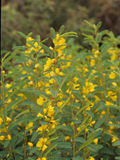
Chamaecrista fasciculata (partridge pea)
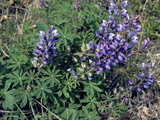
Lupinus perennis (sundial lupine)
NECTAR-PRODUCING:
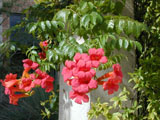
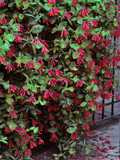
Campsis radicans (trumpet creeper)
Lonicera sempervirens (trumpet honeysuckle)
SUMMER-FRUITING:
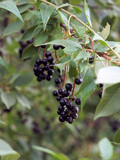
Prunus virginiana (chokecherry)
FALL-FRUITING:
Cornus florida (flowering dogwood)
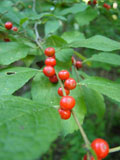
Ilex verticillata (common winterberry)
WINTER-FRUITING:
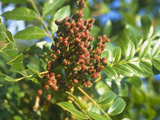
Rhus copallinum (winged sumac)
NUTS AND ACORNS
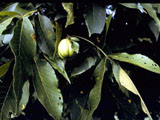
Carya ovata (shagbark hickory)
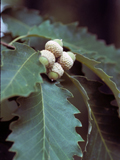
Quercus muehlenbergii (chinkapin oak)
You can find more plants to fit the above categories on our New York Recommended page.
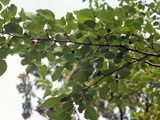
Here are photos from our Image Gallery:

More Wildlife Gardens Questions
Foundation plants for Albuquerque.
July 01, 2012 - Hello,
I live in Albuquerque. I am looking for some native/xeric low water usage plants for foundation plants for my home.
They will be foundation plants for a two story home that has a large ponde...
view the full question and answer
Bird attracting plants in Northeast U.S.
March 22, 2004 - What plants will attract birds in zone 6 (Northeast) in the spring and early summer?
view the full question and answer
Dead woody plants in wildlife garden in Austin
March 02, 2011 - I am an enthusiastic and pretty successful wildlife gardener, have studied my Wasowski "Bible", but I can't get any evergreens established in my yard! We live on blackland clay, which I amend with ...
view the full question and answer
Native plants for birds and butterflies
June 27, 2008 - We have a home on Lake Sam Rayburn and in the process of putting in some plants and shrubs around our new home. I would like them to be native to the area and attract birds, butterflies and hummingbir...
view the full question and answer
Native plants beneficial to wildlife in Cincinnati, OH
April 25, 2008 - I live in Cincinnati, Ohio and I am looking for native plants to plant in a small area of trees behind my house. I would like the plants to be beneficial for wildlife, like maybe some wildflowers. T...
view the full question and answer
| Support the Wildflower Center by Donating Online or Becoming a Member today. |