Native Plants

Q. Who is Mr. Smarty Plants?
A: There are those who suspect Wildflower Center volunteers are the culpable and capable culprits. Yet, others think staff members play some, albeit small, role. You can torture us with your plant questions, but we will never reveal the Green Guru's secret identity.

Did you know you can access the Native Plant Information Network with your web-enabled smartphone?

Ask Mr. Smarty Plants
Ask Mr. Smarty Plants is a free service provided by the staff and volunteers at the Lady Bird Johnson Wildflower Center.

rate this answer

Wednesday - April 07, 2010
From: Houston, TX
Region: Southwest
Topic: Trees
Title: Solution for wet area near fence
Answered by: Nan Hampton
QUESTION:
I just moved into a house that is 10 years old on the north side of Houston, Texas. When it rains the water pools about 1 to 3 inches deep around the beds with trees (pine, sweet gum and chinaberry) and along the fence. Should we put in 75 feet of drain pipe or plant some thirsty trees? The fence is far enough from the house to plant some trees to shade the west side of the house and drink up the water. Can you suggest something besides willow trees?ANSWER:
I sounds as if it might be a good idea for you to find a way to keep the water from pooling there. A French drain might be a good solution. You might be able to do this yourself at relatively little expense or you can also find landscape professionals in the Houston area by searching in our National Suppliers Directory who could help you do this. There are trees that will tolerate wet areas well, but that doesn't mean that they are going to "drink" up the excess water. With the exception of the bald cypress, none of them will be happy growing in standing water for a long period. They should all be good shade trees:
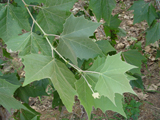
Platanus occidentalis (American sycamore)
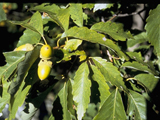
Quercus michauxii (swamp chestnut oak)
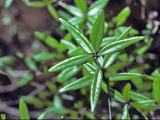
Taxodium distichum (bald cypress)
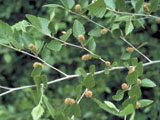
Here are photos from our Image Gallery of these trees:
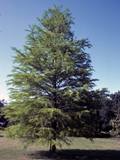
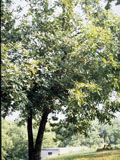
More Trees Questions
Optimum planting time for perennials and trees
November 02, 2007 - Our group is running out of fall workdays. Is it OK to plant native perennials and small trees in Central Texas during the winter months? Or should we wait now until the spring?
view the full question and answer
Removing Persimmon plants from the base of Live oaks
October 15, 2015 - I live in Bastrop county and have hundreds of Texas wild persimmons at the base of my huge oak trees. Should I cut some of them? I am worried they are taking up water my oaks need. I like them but do...
view the full question and answer
Using Coffee Grounds under Live Oaks in Texas?
March 18, 2016 - Can you add coffee grounds to live oak tree?
view the full question and answer
Live oaks dropping brown leaves
August 02, 2014 - We have three live oaks and one of them has been dropping quite a few brown leaves over the past two weeks. I looked at pictures of trees with oak wilt and ours do not look like the pictures. I als...
view the full question and answer
Transplanting hackberry trees in Texas
September 17, 2008 - I live N of Ft Worth,Tx is there a trick to digging up & transplanting hackberry trees?
view the full question and answer
| Support the Wildflower Center by Donating Online or Becoming a Member today. |