Native Plants

Q. Who is Mr. Smarty Plants?
A: There are those who suspect Wildflower Center volunteers are the culpable and capable culprits. Yet, others think staff members play some, albeit small, role. You can torture us with your plant questions, but we will never reveal the Green Guru's secret identity.

Did you know you can access the Native Plant Information Network with your web-enabled smartphone?

Ask Mr. Smarty Plants
Ask Mr. Smarty Plants is a free service provided by the staff and volunteers at the Lady Bird Johnson Wildflower Center.

rate this answer

Thursday - October 09, 2008
From: Mattapoisett, MA
Region: Northeast
Topic: Propagation
Title: Propagating mimosa from seed
Answered by: Nan Hampton
QUESTION:
I have a seed pod from a Mimosa tree. What is the best way to start this beautiful tree from seed. Thank you!ANSWER:
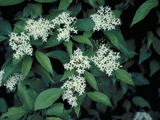
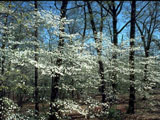
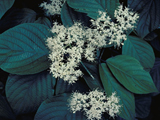
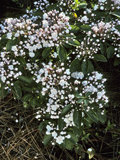
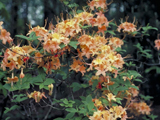
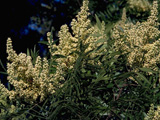
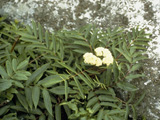
There are mimosa plants (Genus Mimosa) that are native to North America, but I suspect you are referring to the non-native, invasive mimosa, also called silk tree (Albizia julibrissin). Our expertise is in the sustainable use and conservation of native wildflowers, plants and landscapes. Because the mimosa is invasive we would urge you not to propagate its seed. We would encourage you to consider a substitue for it—for example, Cercis canadensis (eastern redbud), Cornus alternifolia (alternateleaf dogwood), Cornus florida (flowering dogwood), Cornus sericea (redosier dogwood), Kalmia latifolia (mountain laurel), Rhododendron calendulaceum (flame azalea), Rhus copallinum (winged sumac) or Sorbus americana (American mountain ash).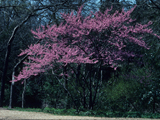
More Propagation Questions
Seed propagation for Goldeneye Sunflower for Austin
October 30, 2010 - I have been unable to find Golden Eye seed, and am therefore thinking about harvesting seed from existing plants. My question is: At what stage of the development do I make the harvest of fully develo...
view the full question and answer
Trimming prairie coneflower for lower height when blooming in Hampshire IL
August 16, 2009 - Can the prairie coneflower, Ratibida Columnifera, be cut by half or some amount before setting flower buds to force the plant to bloom at a shorter height? If not, when is the best time to dig and tra...
view the full question and answer
Failure of hybridized red hollies to grow
April 17, 2008 - I have 2 red hollies planted in my yard about 20' apart, 3 years now. They won't grow. Do I need to have a male with them?
view the full question and answer
Student wants pointers to increase germination rate of Salvia farinacea in Lubbock, Texas
October 06, 2010 - I am a student at Texas Tech, studying environmental horticulture. I have been doing research on Salvia farinacea as well as a number of other natives. I've just been assigned a project to increase t...
view the full question and answer
Is slow growth of young Tx mountain laurel normal?
July 02, 2012 - My Texas mountain laurel is 2 or 3 years old and is about 4 feet tall. It seems quite healthy but has grown very little, if any, and has never bloomed. Is this normal? Although I don't want it to gro...
view the full question and answer
| Support the Wildflower Center by Donating Online or Becoming a Member today. |