Native Plants

Plant Database
Search for native plants by scientific name, common name or family. If you are not sure what you are looking for, try the Combination Search or our Recommended Species lists.
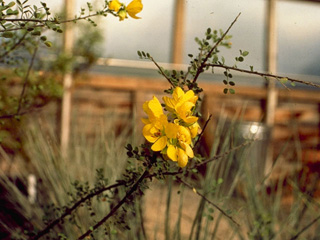
Cox, Paul
Senna wislizeni
Senna wislizeni (A. Gray) Irwin & Barneby
Canyon Senna, Shrubby Senna, Dwarf Senna, Wislizenus's Senna, Wislizenus's Wild Sensitive-plant, Carrozo, Pinacate, Palo Prieto, Pinacatillo, Hojasén, Ejotillo
Fabaceae (Pea Family)
Synonym(s): Cassia wislizeni
USDA Symbol: sewi3
USDA Native Status: L48 (N)
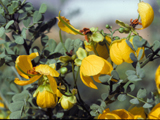
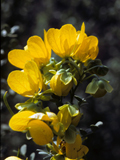
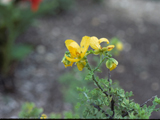
Senna wislizeni, a deciduous shrub, is usually 4-6 ft. tall but can reach 12 ft. Short, rigid, leafy branches are lined with compound foliage arranged spirally on spurs. Large, yellow flowers crowd together in 6 in. clusters at the end of the branches. A long, flat, dark-brown pod succeeds the flowers.
This plant's brilliant yellow flowers make an attractive contrast to the foliage.


Plant Characteristics
Duration: PerennialHabit: Shrub
Leaf Retention: Deciduous
Leaf Arrangement: Alternate
Fruit Type: Legume
Size Notes: Up to about 12 feet tall.
Bloom Information
Bloom Color: Orange , YellowBloom Time: May , Jun , Jul , Aug , Sep , Oct , Nov
Distribution
USA: AZ , NM , TXNative Distribution: W. TX to s.e. AZ & much of the northern half of Mexico as far south as Puebla in central Mexico
Native Habitat: Dry slopes; mesas
Growing Conditions
Light Requirement: SunSoil Moisture: Moist
Soil Description: Well-drained, igneous soils.
Conditions Comments: A showy cassia. Brilliant yellow flowers make an attractive contract to the foliage. Dependable in poor soil and fairly drought-tolerant.
Benefit
Warning: Plants of this genus (and herbal remedies derived from them) can cause poisoning and fatal illness in humans. Sensitivity to a toxin varies with a person’s age, weight, physical condition, and individual susceptibility. Children are most vulnerable because of their curiosity and small size. Toxicity can vary in a plant according to season, the plant’s different parts, and its stage of growth; and plants can absorb toxic substances, such as herbicides, pesticides, and pollutants from the water, air, and soil.Conspicuous Flowers: yes
Value to Beneficial Insects
Special Value to Bumble BeesThis information was provided by the Pollinator Program at The Xerces Society for Invertebrate Conservation.
From the National Organizations Directory
According to the species list provided by Affiliate Organizations, this plant is on display at the following locations:Sibley Nature Center - Midland, TX
Texas Parks and Wildlife Department - Austin, TX
Bibliography
Bibref 318 - Native Texas Plants: Landscaping Region by Region (2002) Wasowski, S. & A. WasowskiSearch More Titles in Bibliography
Web Reference
Webref 23 - Southwest Environmental Information Network (2009) SEINet - Arizona ChapterWebref 1 - Texas Native Shrubs (2002) Texas A&M University Agriculture Program and Leslie Finical, Dallas Arboretum
Additional resources
USDA: Find Senna wislizeni in USDA PlantsFNA: Find Senna wislizeni in the Flora of North America (if available)
Google: Search Google for Senna wislizeni
Metadata
Record Modified: 2022-10-21Research By: TWC Staff