Native Plants

Plant Database
Search for native plants by scientific name, common name or family. If you are not sure what you are looking for, try the Combination Search or our Recommended Species lists.
Bransford, W.D. and Dolphia
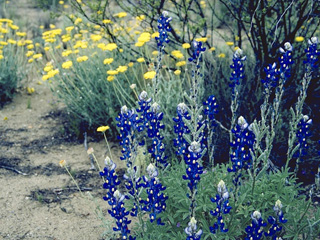
Lupinus havardii
Lupinus havardii S. Watson
Big Bend Bluebonnet, Big Bend Lupine, Havard Bluebonnet, Chisos Bluebonnet
Fabaceae (Pea Family)
Synonym(s):
USDA Symbol: luha
USDA Native Status: L48 (N)
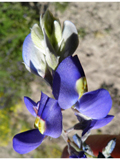
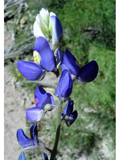
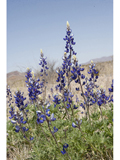
Much taller than most bluebonnets, Big Bend or Havard bluebonnet grows 1-3 ft. high with the flowers on the upper 4-8 inches of the stem. The flowers of this winter annual are very deep blue with a lemon blotch. Palmate leaves are divided into seven leaflets.
The tall stems and showy flowers of L. havardii distinguish it from L. subcarnosus, a smaller, less showy species, which was originally designated as Texas' state flower (in 1901). In 1971, however, the state legislature designated all Lupinus species as the official state flower.

Plant Characteristics
Duration: AnnualHabit: Herb
Leaf Arrangement: Alternate
Fruit Type: Legume
Size Notes: Up to about 3 feet tall.
Leaf: Green
Bloom Information
Bloom Color: Blue , PurpleBloom Time: Feb , Mar , Apr
Distribution
USA: TXNative Distribution: Trans-Pecos, TX & n. Mex.
Native Habitat: Deserts; alluvial areas
Growing Conditions
Water Use: LowLight Requirement: Sun
Soil Moisture: Dry
CaCO3 Tolerance: High
Soil Description: Alluvium or fine talus soils. Limestone-based, Gravelly, Sandy, Sandy Loam, Medium Loam
Benefit
Use Ornamental: Color, Desert landscapeUse Wildlife: Deer browse. Nectar-Bees, Browse, Nectar-insects
Warning: Plants in the genus Lupinus, especially the seeds, can be toxic to humans and animals if ingested. Sensitivity to a toxin varies with a person’s age, weight, physical condition, and individual susceptibility. Children are most vulnerable because of their curiosity and small size. Toxicity can vary in a plant according to season, the plant’s different parts, and its stage of growth; and plants can absorb toxic substances, such as herbicides, pesticides, and pollutants from the water, air, and soil.
Conspicuous Flowers: yes
Value to Beneficial Insects
Special Value to Native BeesSpecial Value to Bumble Bees
This information was provided by the Pollinator Program at The Xerces Society for Invertebrate Conservation.
Propagation
Propagation Material: SeedsDescription: Plant treated seed in the fall.
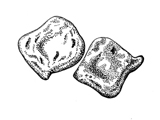
Seed Treatment: Scarification will hasten germination.
Commercially Avail: yes
Find Seed or Plants
View propagation protocol from Native Plants Network.
From the National Organizations Directory
According to the species list provided by Affiliate Organizations, this plant is on display at the following locations:Texas Parks and Wildlife Department - Austin, TX
Wildflower Center Seed Bank
LBJWC-1266 Collected 2009-04-18 in Presidio County by Lady Bird Johnson Wildflower CenterBibliography
Bibref 318 - Native Texas Plants: Landscaping Region by Region (2002) Wasowski, S. & A. WasowskiBibref 248 - Texas Wildflowers: A Field Guide (1984) Loughmiller, C. & L. Loughmiller
Bibref 291 - Texas Wildscapes: Gardening for Wildlife (1999) Damude, N. & K.C. Bender
Bibref 328 - Wildflowers of Texas (2003) Ajilvsgi, Geyata.
Search More Titles in Bibliography
From the Archive
Wildflower Newsletter 1989 VOL. 6, NO.2 - Wildflower Network Operates in Louisiana, Wildflower Handbook Published, Researc...Wildflower Newsletter 1990 VOL. 7, NO.2 - Preservation Blooms in Recreated Prairies, New Wildflower Center Prairie Welcome...
Additional resources
USDA: Find Lupinus havardii in USDA PlantsFNA: Find Lupinus havardii in the Flora of North America (if available)
Google: Search Google for Lupinus havardii
Metadata
Record Modified: 2019-03-04Research By: TWC Staff