Native Plants

Plant Database
Search for native plants by scientific name, common name or family. If you are not sure what you are looking for, try the Combination Search or our Recommended Species lists.
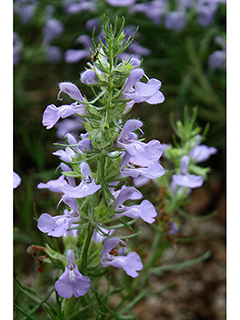
Smith, R.W.
Salvia engelmannii
Salvia engelmannii A. Gray
Engelmann's Sage, Engelmann's Salvia
Lamiaceae (Mint Family)
Synonym(s):
USDA Symbol: SAEN2
USDA Native Status: L48 (N)
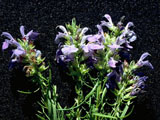
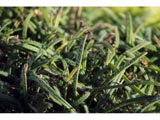
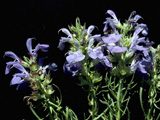
Engelmanns Sage is a 1-1 1/2 ft compact mound of velvety, narrow leaves and showy flower spikes. Pale lavender to pale blue, tubular flowers occur on 4-6 in. spikes.
The species of this plant is named for George Engelmann (1809-1884) who was born in Germany and settled in St. Louis, Missouri, as a young man. He was a physician and botanist, describing especially North American Abies (Firs), Agaves, Cactus (for which he described more than 108 species), Cuscuta (Dodder), Euphorbiaceae (Spurge Family), Juncus (Rushes), Juniperus (“Cedar”), Pinus (Pines), Vitis (Grapes), and Yuccas. When he died much of his collection went to Missouri Botanical Garden.


Plant Characteristics
Duration: PerennialHabit: Herb
Size Notes: Up to about 18 inches tall.
Fruit: Nutlets.
Bloom Information
Bloom Color: White , Blue , PurpleBloom Time: Apr , May
Distribution
USA: TXNative Distribution: C. TX
Native Habitat: Endemic to the limestone hills of c. TX
Growing Conditions
Water Use: LowLight Requirement: Sun , Part Shade
Soil Moisture: Dry , Moist
Soil Description: Dry, rocky soils. Sandy, Sandy Loam, Medium Loam, Clay Loam, Clay, Caliche type, Limestone-based
Conditions Comments: Engelmann's sage is similar to Texas sage, but has pale-blue flowers, a shorter bloom period, and grows to a slightly larger size. When evidence of new growth emerges at the plant's base, cut back old stems. Provide good drainage.
Benefit
Use Ornamental: Perennial garden, Rock gardens, Shortgrass meadowConspicuous Flowers: yes
Attracts: Butterflies , Hummingbirds
Deer Resistant: High
Value to Beneficial Insects
Special Value to Native BeesThis information was provided by the Pollinator Program at The Xerces Society for Invertebrate Conservation.
Propagation
Propagation Material: SeedsDescription: Propagate by divisions, rooted sections, or seeds.
Seed Collection: Collect the seeds as the capsules begin to dry but before they have dropped the seeds. Spread seeds in thin layers to dry a few days before storing in sealed, refrigerated containers.
Seed Treatment: Generally, a cold-moist stratification period is required for germination of Salvia seed.
Commercially Avail: yes
Mr. Smarty Plants says
Deer resistant, sun tolerant plants for landscaping
April 19, 2007
I live in Driftwood and am looking for flowering, deer-resistant plants for the northern side of my house; however the house turn just enough to the west that the flowerbed receives about 3 hours of a...
view the full question and answer
Native plants for dry shade in Austin
March 27, 2007
I live in North Austin, and I'd like to find plants that would work in dry shade. This area does receive a couple of hours of morning sun, and I've had great luck with Hinckley's Columbine. Any o...
view the full question and answer
From the National Organizations Directory
According to the species list provided by Affiliate Organizations, this plant is on display at the following locations:Lady Bird Johnson Wildflower Center - Austin, TX
Wildflower Center Seed Bank
LBJWC-211 Collected 2008-07-17 in Hays County by Lady Bird Johnson Wildflower CenterBibliography
Bibref 318 - Native Texas Plants: Landscaping Region by Region (2002) Wasowski, S. & A. WasowskiBibref 281 - Shinners & Mahler's Illustrated Flora of North Central Texas (1999) Diggs, G. M.; B. L. Lipscomb; B. O'Kennon; W. F...
Bibref 286 - Wildflowers of the Texas Hill Country (1989) Enquist, M.
Search More Titles in Bibliography
Web Reference
Webref 23 - Southwest Environmental Information Network (2009) SEINet - Arizona ChapterAdditional resources
USDA: Find Salvia engelmannii in USDA PlantsFNA: Find Salvia engelmannii in the Flora of North America (if available)
Google: Search Google for Salvia engelmannii
Metadata
Record Modified: 2023-04-07Research By: TWC Staff