Native Plants

Plant Database
Search for native plants by scientific name, common name or family. If you are not sure what you are looking for, try the Combination Search or our Recommended Species lists.
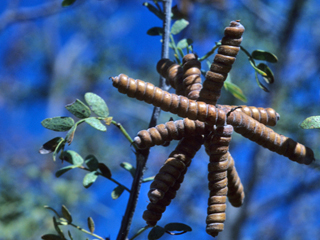
Wasowski, Sally and Andy
Prosopis pubescens
Prosopis pubescens Benth.
Screwbean Mesquite, American Screwbean, Tornillo, Screwbean, Screwpod Mesquite, Twisted Bean, Fremont Screwbean
Fabaceae (Pea Family)
Synonym(s): Strombocarpa odorata
USDA Symbol: PRPU
USDA Native Status: L48 (N)
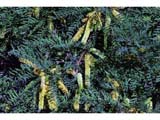
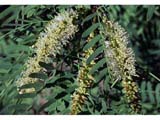
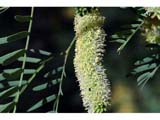
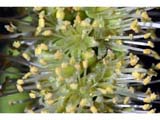
Spiny shrub or small tree with long, slender branches and odd, screwlike pods. American screwbean is a dainty, graceful tree barely reaching 30 ft. The stiff, vase-like, multi-trunked plant has very fine, gray-green, deciduous foliage and narrow clusters of pale-yellow flowers. Tightly coiled tan seedpods are bunched in clusters.
Screwbean Mesquite is easily recognized by the unusual pods, which are the basis of both the English and Spanish common names. The sweetish, nutritious pods can be eaten and are browsed by livestock and wildlife. Indians made meal, cakes, and syrup from the pods and prepared a treatment for wounds from the root bark. The durable hard wood is used for fenceposts, tool handles, and fuel.

Plant Characteristics
Duration: PerennialHabit: Tree
Leaf Retention: Deciduous
Leaf Arrangement: Alternate
Fruit Type: Legume
Size Notes: Up to about 30 feet tall.
Leaf: Green
Flower: Flowers in 3 inch spikes.
Fruit: 3 inches long
Bloom Information
Bloom Color: White , YellowBloom Time: Feb , Mar , Apr , May , Jun , Jul , Aug , Sep
Distribution
USA: AZ , CA , NM , NV , TX , UTNative Distribution: W. TX and Coahuila west to s. CA & Baja CA; north as far as extreme s.w. UT
Native Habitat: Alluvial areas; desert washes
Growing Conditions
Water Use: MediumLight Requirement: Part Shade
Soil Moisture: Moist
CaCO3 Tolerance: Medium
Soil Description: Moist to dry, well-drained, soils. Sandy, Sandy Loam, Medium Loam, Caliche type
Conditions Comments: Screwbean benefits from periodic flooding. Thin and shape for tree form; tip-prune to increase density.
Benefit
Use Ornamental: Showy, Attractive, Fruits ornamental, Blooms ornamentalUse Wildlife: Fruit-birds, Fruit-mammals, Nectar-insects
Conspicuous Flowers: yes
Value to Beneficial Insects
Special Value to Native BeesSpecial Value to Honey Bees
Provides Nesting Materials/Structure for Native Bees
This information was provided by the Pollinator Program at The Xerces Society for Invertebrate Conservation.
Propagation
Propagation Material: SeedsDescription: Sow seed. Seedlings damp off easily.
Seed Collection: Gather pods as soon as they turn brown. Dry pods and extract their seed. Seeds can be stored in sealed, refrigerated containers for several years.
Seed Treatment: Treatment is usually not necessary but some seed lots that have been stored may need hot water or mechanical scarification.
Commercially Avail: yes
National Wetland Indicator Status
| Region: | AGCP | AK | AW | CB | EMP | GP | HI | MW | NCNE | WMVE |
| Status: | FAC | FAC | FAC |
From the National Organizations Directory
According to the species list provided by Affiliate Organizations, this plant is on display at the following locations:Texas Discovery Gardens - Dallas, TX
Texas Parks and Wildlife Department - Austin, TX
Bibliography
Bibref 298 - Field Guide to Texas Trees (1999) Simpson, B.J.Bibref 995 - Native Landscaping from El Paso to L.A. (2000) Wasowski, S. and A. Wasowski
Bibref 318 - Native Texas Plants: Landscaping Region by Region (2002) Wasowski, S. & A. Wasowski
Bibref 291 - Texas Wildscapes: Gardening for Wildlife (1999) Damude, N. & K.C. Bender
Search More Titles in Bibliography
Web Reference
Webref 30 - Calflora (2018) CalfloraWebref 36 - Jepson eFlora (2019) The Jepson Herbarium, University of California, Berkeley
Additional resources
USDA: Find Prosopis pubescens in USDA PlantsFNA: Find Prosopis pubescens in the Flora of North America (if available)
Google: Search Google for Prosopis pubescens
Metadata
Record Modified: 2022-10-10Research By: TWC Staff