Native Plants

Plant Database
Search for native plants by scientific name, common name or family. If you are not sure what you are looking for, try the Combination Search or our Recommended Species lists.
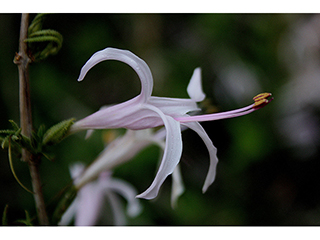
Smith, R.W.
Anisacanthus puberulus
Anisacanthus puberulus (Torr.) Henrickson & Lott
Dwarf Desert Honeysuckle, Pinky Anisacanthus, Pinkie Anisacanth
Acanthaceae (Acanthus Family)
Synonym(s): Anisacanthus insignis, Drejera puberula
USDA Symbol: ANPU6
USDA Native Status: L48 (N)
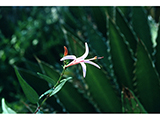
Numerous long, pink, tubular flowers with re-curved linear lobes in early spring before new foliage appears on long, semi-woody, spreading to decumbent stems. Occasional light blooming in summer and fall.
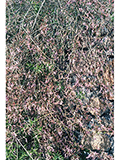
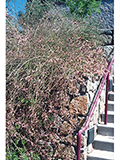
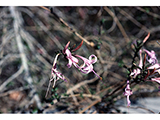
Plant Characteristics
Duration: PerennialHabit: Shrub
Leaf Retention: Deciduous
Fruit Type: Capsule
Size Notes: Up to about 10 feet tall.
Bloom Information
Bloom Color: Red , PinkBloom Time: Mar , Apr , May , Jun , Jul , Aug , Sep , Oct
Distribution
USA: TXNative Distribution: Big Bend of Texas in Brewster and Presidio cos. and adjacent Chihuahua and Coahuila, Mexico, on rocky banks of arroyos and sandy washes.
Native Habitat: High elevation, Canyons, Ditches/Ravines/Depressions, Thickets
Growing Conditions
Water Use: LowLight Requirement: Sun
Soil Moisture: Dry
Cold Tolerant: yes
Heat Tolerant: yes
Soil Description: Limestone-based, Sandy, Sandy Loam, Medium Loam, Clay Loam, Clay
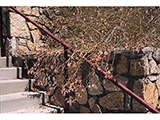
Conditions Comments: Will grow in full sun, part shade or dappled shade. Will grow in sand, loam, clay, caliche or limestone soils. Also does well as a potted patio plant. Will tolerate reflected heat and is drought tolerant. Looks nice in the winter with the slender branches displaying shreaded bark.
Benefit
Use Ornamental: Long-blooming, Showy, Blooms ornamentalUse Wildlife: Nectar-butterflies, Nectar-moths, Nectar-insects, Nectar-hummingbirds, Browse.
Conspicuous Flowers: yes
Attracts: Butterflies , Hummingbirds
Larval Host: Crescentspot butterfly
Nectar Source: yes
Propagation
Propagation Material: SeedsFrom the National Organizations Directory
According to the species list provided by Affiliate Organizations, this plant is on display at the following locations:Tohono Chul Park, Inc. - Tucson, AZ
Texas Parks and Wildlife Department - Austin, TX
Bibliography
Bibref 318 - Native Texas Plants: Landscaping Region by Region (2002) Wasowski, S. & A. WasowskiSearch More Titles in Bibliography
Web Reference
Webref 23 - Southwest Environmental Information Network (2009) SEINet - Arizona ChapterWebref 1 - Texas Native Shrubs (2002) Texas A&M University Agriculture Program and Leslie Finical, Dallas Arboretum
Additional resources
USDA: Find Anisacanthus puberulus in USDA PlantsFNA: Find Anisacanthus puberulus in the Flora of North America (if available)
Google: Search Google for Anisacanthus puberulus
Metadata
Record Modified: 2023-01-10Research By: TWC Staff