Native Plants

Plant Database
Search for native plants by scientific name, common name or family. If you are not sure what you are looking for, try the Combination Search or our Recommended Species lists.
Marcus, Joseph A.
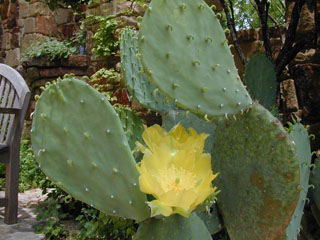
Opuntia ellisiana
Opuntia ellisiana Griffiths
Spineless Prickly Pear, Tigertongue, South Texas Pricklypear
Cactaceae (Cactus Family)
Synonym(s): Opuntia ×ellisiana
USDA Symbol: opel3
USDA Native Status: L48 (N)
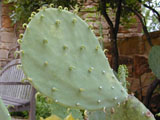
Opuntia ellisiana is a spinless form of Opuntia cacanapa.
Opuntia ellisiana is derived from cultivation in the United States.

Plant Characteristics
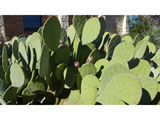
Duration: PerennialHabit: Cactus/Succulent
Leaf Retention: Evergreen
Breeding System: Flowers Bisexual
Fruit Type: Berry
Size Notes: 3-6'
Fruit: Red
Bloom Information
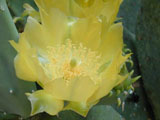
Bloom Color: Red , Pink , Orange , YellowBloom Time: May , Jun
Distribution
USA: AZ , NM , TXNative Distribution: Opuntia ellisiana is known only from cultivation in the United States.
Growing Conditions
Water Use: LowLight Requirement: Sun , Part Shade
Soil Moisture: Dry
Drought Tolerance: Medium , High
Conditions Comments: The spineless prickly pear is a great addition to the landscape for those seeking a cactus form, showy blooms and bright red fruits (tunas). Beware, although it doesn't have long sharp spines, the tiny glochids (slivers) are very irritating to the skin if the plant is not handled correctly. Grab the pads between the glochid "dots".
Benefit
Conspicuous Flowers: yesInteresting Foliage: yes
Deer Resistant: Moderate
Value to Beneficial Insects
Special Value to Native BeesThis information was provided by the Pollinator Program at The Xerces Society for Invertebrate Conservation.
Propagation
Propagation Material: Seeds , Semi-hardwood Cuttings , Softwood CuttingsDescription: Allow cut surface to callous over before planting.
Seed Collection: Allow fruit to ripen then clean and dry seeds.
Seed Treatment: Seed can be stored after cleaning.
Commercially Avail: yes
From the National Organizations Directory
According to the species list provided by Affiliate Organizations, this plant is on display at the following locations:NPSOT - Austin Chapter - Austin, TX
NPSOT - Williamson County Chapter - Georgetown, TX
Bibliography
Bibref 1140 - Cacti (1991) Clive Innes and Charles GlassSearch More Titles in Bibliography
Additional resources
USDA: Find Opuntia ellisiana in USDA PlantsFNA: Find Opuntia ellisiana in the Flora of North America (if available)
Google: Search Google for Opuntia ellisiana
Metadata
Record Modified: 2013-06-08Research By: Damon Waitt