Native Plants

Q. Who is Mr. Smarty Plants?
A: There are those who suspect Wildflower Center volunteers are the culpable and capable culprits. Yet, others think staff members play some, albeit small, role. You can torture us with your plant questions, but we will never reveal the Green Guru's secret identity.

Did you know you can access the Native Plant Information Network with your web-enabled smartphone?

Ask Mr. Smarty Plants
Ask Mr. Smarty Plants is a free service provided by the staff and volunteers at the Lady Bird Johnson Wildflower Center.

rate this answer

Wednesday - March 16, 2011
From: Garland, TX
Region: Southwest
Topic: Butterfly Gardens, Wildlife Gardens, Compost and Mulch
Title: Want to Amend Soil Without Harming Earthworms in Dallas Area
Answered by: Marilyn Kircus
QUESTION:
I have a totally odd question. I live in the Dallas area in the blackland soil. I am removing sod from part of my back yard and will replant with nectar and host plants for butterflies. The soil is extremely hard. My intent is to till the soil and amend it with expanded shale and compost. My concern is how this will impact the earthworms. In my limited digging to remove the sod, I am finding lots of very large earthworms--a very good sign. I would like to do the least amount of damage to them when tilling. Is there anything I can do to force them to burrow deeper into the soil? Thanks.ANSWER:
Since you are asking Mr. Smarty Plants this question, you must be planning to use the native plants listed as hosts or nectar sources for the butterflies native to your area. The good news is that you don't have to amend your soil. These plants, that are native to the blackland prairie soils have been growing there without help from humans for millions of years. They would still be there if developers had not cleared off the topsoil, and planted non-native grasses and other plants that need different soil and water amounts than they can get in your yard.
I'm currently volunteering at Anahuac NWR where we are rebuilding our butterfly garden after Hurricane Ike killed most of our plants. We don't amend the soil but do mulch it to prevent weeds. (However, if you grow annuals that reseed, you leave the soil bare so the seeds can get to the soil. Just plant these plants a little close together to shade out weeds.)
If you want to grow dill, parsley, or other plants that usually grow in garden soil, you would only need to amend one bed. Amend with compost to form a raised bed and you will be fine or just add garden soil to a raised bed in one area. This will totally not bother the worms and they will get busy turning the mulch into humus for the soil. You will have to add more mulch every year to this bed and most of the rest of the area—both this bed and around trees, shrubs, and perennials.
If you really want to till and amend the soil, however, it won't hurt the worms. They can grow back if you cut them in half. But adding too much compost will be harmful to your native plants. They will grow too fast and be weak and subject to diseases which otherwise they would not get. And tilling turns up dormant weed seeds so that you may be overwhelmed with them. Better to just dig holes and plant or rake to roughen the soil where you are planting seeds.
If you haven't researched what butterflies live in your area and what host plants and nectar sources they use, here are some links.
North American Butterfly Association has several brochures available for download here.
You can find three lists of butterflies that could occur in your area here.
Butterfly Gardening in Texas has a great list of references that you can probably check out of the library.
And finally, I used the list of plants important to butterflies and moths from NPIN's Recommended Plants page and narrowed the search to Texas. You can see if the plants grow in your area by checking USDA Plants found in Additional Resources near the bottom of each plant description. To check that they occur in your county, click on Texas on the distribution map on the USDA Plants Database page.
Whew. Aren't you glad you asked the question before you began all that work? And you might want to rent a machine to cut out your sod, if you have a large area to do.
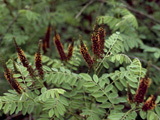
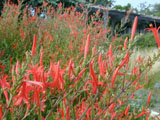
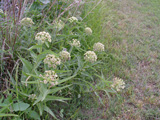
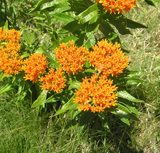
Here are pictures of a few great butterfly plants.
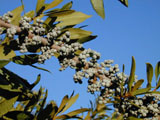
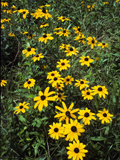
More Compost and Mulch Questions
Failure to thrive of Esperanza in Houston
July 07, 2009 - Esperanza plant. I have 3 of these plant in my flower bed for the last 10 years. They get west sun. Over the last three years they have bloomed initially but then the new growth is deformed. The best...
view the full question and answer
Area needing soil amendment in San Diego
December 02, 2009 - I have a dirt area in the corner where my fence comes together. The dirt is clay-like and during the winter the area gets very little, if any, sun and during the summer it gets 4-6 hours of sun. Wha...
view the full question and answer
Allelopathy of American elms from Dallas
March 24, 2013 - Are American elms at all allelopathic?
view the full question and answer
Splash-proof plants from Oakton VA
October 01, 2012 - Hi Mr Smarty Plants,
Re: low, evergreen ground cover, Northern Virginia
The bare soil around my freshly painted screen porch splashes up onto the white framing when it rains so I am looking for ...
view the full question and answer
Death of mature Eve's necklace in Fredericksburg, TX
July 12, 2010 - A friend mentioned his mature Eve's necklace had died this year. The next day I walked past my own mature Eve's necklace(about 5 years old)and it was dead! What could have happened? Thanks.
view the full question and answer
| Support the Wildflower Center by Donating Online or Becoming a Member today. |