Native Plants

Plant Database
Search for native plants by scientific name, common name or family. If you are not sure what you are looking for, try the Combination Search or our Recommended Species lists.
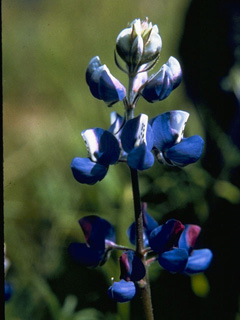
Doran, Juanita
Lupinus nanus
Lupinus nanus Douglas ex Benth.
Ocean-blue Lupine, Sky Lupine
Fabaceae (Pea Family)
Synonym(s):
USDA Symbol: LUNA3
USDA Native Status: L48 (N)
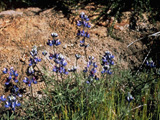
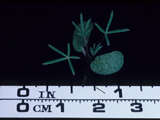
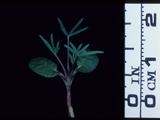
A petite, low-growing, annual lupine, 6-20 in. tall, with rich-blue flowers, each with a white or yellowish spot. The leaves are plamtely compound with 5-7 narrow, inch-long leaflets covered with long hairs.

Plant Characteristics
Duration: AnnualHabit: Herb
Leaf Arrangement: Alternate
Fruit Type: Legume
Size Notes: Up to about 20 inches tall.
Bloom Information
Bloom Color: BlueBloom Time: Mar , Apr , May
Distribution
USA: CA , NVNative Distribution: Coast Ranges from Mendocino to Los Angeles Cos.; also Kern to Fresno Cos.
Native Habitat: Grassy hills, fields & brushy slopes below 3000 ft.
Growing Conditions
Light Requirement: SunSoil Moisture: Dry
Soil Description: Poor, dry soils.
Value to Beneficial Insects
Special Value to Native BeesSpecial Value to Bumble Bees
This information was provided by the Pollinator Program at The Xerces Society for Invertebrate Conservation.
Propagation
Description: Plant seeds in late fall or winter in desired location.Seed Collection: Gather the pods when they turn brown and place them in a paper bag. Seeds will be ejected when the fruits fully ripen.
Seed Treatment: Fresh seeds need no treatment. Store seeds may benefit from being rubbed between sheets of sandpaper then soaked in warm water, cooling in the water overnight.
Commercially Avail: yes
Find Seed or Plants
Find seed sources for this species at the Native Seed Network.
From the National Organizations Directory
According to the species list provided by Affiliate Organizations, this plant is on display at the following locations:Native Seed Network - Corvallis, OR
Additional resources
USDA: Find Lupinus nanus in USDA PlantsFNA: Find Lupinus nanus in the Flora of North America (if available)
Google: Search Google for Lupinus nanus
Metadata
Record Modified: 2007-01-01Research By: TWC Staff