Native Plants

Q. Who is Mr. Smarty Plants?
A: There are those who suspect Wildflower Center volunteers are the culpable and capable culprits. Yet, others think staff members play some, albeit small, role. You can torture us with your plant questions, but we will never reveal the Green Guru's secret identity.

Did you know you can access the Native Plant Information Network with your web-enabled smartphone?

Ask Mr. Smarty Plants
Ask Mr. Smarty Plants is a free service provided by the staff and volunteers at the Lady Bird Johnson Wildflower Center.

rate this answer

Thursday - March 17, 2011
From: Golden, CO
Region: Rocky Mountain
Topic: Propagation
Title: Propagation of Red Yucca from Golden, CO
Answered by: Barbara Medford
QUESTION:
I have collected the mature seeds of Hesperaloe parviflora (the red yucca). Can you tell me what steps I need to follow for successful germination? Many thanks!ANSWER:
Our first thought was that you can't get there from here. In Jefferson Co., Colorado you are at USDA Hardiness Zones 4a to 5b, pretty cold for Hesperaloe parviflora (Red yucca), which is native to southwest Texas and northern Mexico. However, we did some more research and learned that this plant can tolerate temperatures down to zero, and likes rocky mountainsides. Read more about it at The Laptop Gardener "Tough as Nails" Red Yucca. We would caution you about using seeds you gathered somewhere else. If you found Red Yuccas growing near you and gathered seeds from those, the plants you propagate have a much better chance for survival.
From Jill Nokes' book How to Grow Native Plants of Texas and the Southwest (see Bibliography below) we found these instructions for propagation of Red Yucca:
"Coral Yucca sprouts readily from untreated seed. Sow the seed immediately after harvesting in seed flats, or in individual 4- or 6- inch pots. The container should be at least 4 inches deep and contain well-drained soil media. Plant cells tend to cramp the roots, causing them to grow in knots. Premoisten the soil and then gently press the seed into it, without watering. Keep in a cold frame until the following spring. Some seed will sprout immediately, while others will continue to emerge over the course of the season. Some growers leave this plant in a flat for a year before moving it into a one-gallon container. After 6 months, move it to strong sunlight."
From our Native Plant Imsge Gallery:
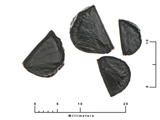
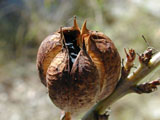
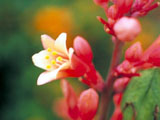
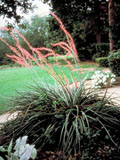
More Propagation Questions
Propagation of Lime Prickly Ash in Austin
March 22, 2010 - We found only one small what we think is Zanthoxylum fagara or Lime Prickly Ash, Colima on our 8 acres, and the deer had apparently recently broken the main stem. I quickly made 6 or 7 cuttings, dippe...
view the full question and answer
Protecting agave pups in San Antonio
April 23, 2013 - I would like to share the soon to happen bloom of two century plants on my property; they are sisters planted at the same time. I am sad to know they will die but will do all that I can to protect the...
view the full question and answer
Need some information about wild native grapes in Gatlinburg, TN.
August 13, 2010 - We have some wild grapevines growing on a southern exposure eroded bank. They are providing assistance in reducing erosion with rapid growth. Do these plants develop ground contact as they grow? In...
view the full question and answer
Sunlight needs for native wildflower seedlings from Double Oaks TX
January 27, 2014 - Last December I created a flower bed for my parents' backyard and sowed native wildflower seeds (obtained from Native American Seed). The bed is in full sun most of the day, and the seeds are alread...
view the full question and answer
Propagation of wax myrtle from Lafayette LA
December 10, 2012 - Hello,
I have a good portion of Wax Myrtle Seeds. How do I get them Started for planting? Have been told to put several seeds in a Jar lid in a very damp paper-towel & leave them there till they ...
view the full question and answer
| Support the Wildflower Center by Donating Online or Becoming a Member today. |