Native Plants

Q. Who is Mr. Smarty Plants?
A: There are those who suspect Wildflower Center volunteers are the culpable and capable culprits. Yet, others think staff members play some, albeit small, role. You can torture us with your plant questions, but we will never reveal the Green Guru's secret identity.

Did you know you can access the Native Plant Information Network with your web-enabled smartphone?

Ask Mr. Smarty Plants
Ask Mr. Smarty Plants is a free service provided by the staff and volunteers at the Lady Bird Johnson Wildflower Center.

rate this answer

Friday - October 02, 2009
From: San Antonio, TX
Region: Southwest
Topic: Propagation
Title: Propagation of Mexican buckeye from seeds in San Antonio
Answered by: Barbara Medford
QUESTION:
I recently collected seeds from a Mexican buckeye. Is it best to plant them now or wait until spring? Do they need to be scarified?ANSWER:
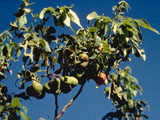
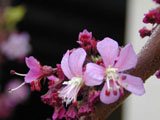
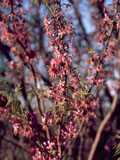
Ungnadia speciosa (Mexican buckeye) is an 8 to 12 foot deciduous tree, blooms pink March to June and is native to the Bexar County area. Here are the Propagation Instructions for this tree:
Propagation Material: Seeds
Description: Untreated seed will germinate in three weeks. Germination is best in warm soil. Field plant or use deep containers to accomodate a long initial root.
Seed Collection: Gather seed in August through October when capsules turn dark reddish brown and begin to open. Seeds should be shiny black and hard. Remove seeds from pods and air dry a few days before storing in bags or ventilated containers at room temperature. Dusting with an insecticide is recommended.
We believe you could plant the seeds now, since the soil is obviously warm in San Antonio, and not likely to get too cool. The plant can germinate, get some root produced, and with the earth still insulating it, get through the Winter to a warmer season. If you want to plant some insurance seeds, do the seed storage procedure, and plant some more when the soil has warmed up, maybe in early April. They are probably less likely to be stressed from the cold weather of Central Texas than the warmth of Summer.
From our Native Plant Image Gallery:

More Propagation Questions
Propagation bluebells by gathering seed
July 10, 2008 - Following up your suggestion on propagating Bluebells by seed..Is it possible that I can gather seed from the bluebells in my pasture? How does that work? Would I have to wait until the wildflowers a...
view the full question and answer
Growing Magnolia from Seed in Dallas
October 20, 2010 - I recently visited the property that had once been my grandmother's. Lots of memories. The house burned down years ago, but the magnolia tree that she loved still stood. I gathered several dried seed...
view the full question and answer
Transplanting native yaupon into yard in Lowake TX
June 08, 2010 - I have lots of wild yaupon in my pasture,can I transplant it to the yard?
view the full question and answer
Transplanting Indian Paintbrush in Corona CA
November 05, 2013 - I have a very mature Indian Paintbrush Plant that was becoming too large for the area I had originally planted it in, so I transplanted it to an area much more suited for its size. I reviewed the que...
view the full question and answer
Time of year to plant Tecoma stans
December 16, 2007 - I wanted to know when the best time to plant the Esperanza flower (Tecoma stans) was. The information on the website did not give planting dates or soil conditions for this plant. Can you please help?...
view the full question and answer
| Support the Wildflower Center by Donating Online or Becoming a Member today. |