Native Plants

Q. Who is Mr. Smarty Plants?
A: There are those who suspect Wildflower Center volunteers are the culpable and capable culprits. Yet, others think staff members play some, albeit small, role. You can torture us with your plant questions, but we will never reveal the Green Guru's secret identity.

Did you know you can access the Native Plant Information Network with your web-enabled smartphone?

Ask Mr. Smarty Plants
Ask Mr. Smarty Plants is a free service provided by the staff and volunteers at the Lady Bird Johnson Wildflower Center.

rate this answer

Thursday - April 16, 2009
From: Brookings, OR
Region: Northwest
Topic: Meadow Gardens, Erosion Control, Grasses or Grass-like, Herbs/Forbs
Title: Flowering plant for hillside in Brookings OR
Answered by: Barbara Medford
QUESTION:
We live on the Chetco river and the bank in front of the house is on a hill. What would be a flowering plant that would maintain the integrity of the hill?ANSWER:
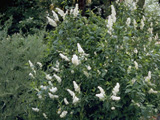
There are a number of nice, low-growing or sprawling shrubs that grow naturally in Curry County, Oregon that would bloom and some even provide berries for birds or people. If you have a large space on your hillside that needs retention and erosion control, these would probably be the best bet. If, on the other hand, it is a gentle slope and not very large in area, you might choose instead to have a wildflower meadow, including lots of native grasses. Grasses are the best tools in preventing erosion because they have long fibrous roots that can grab and hold the soil, are attractive, some of them year round, and provide nesting materials and seeds for the birds. Read our How-To Article on Meadow Gardening and we will give you a list of flowers and grasses native to Oregon that we feel would work well there, too. Follow the plant links to individual pages for each plant to learn how high they will grow, how much they will spread, colors and time of bloom, etc. These plants are all commercially available. If you have difficulty locating your choices, go to our Native Plant Suppliers section, type in your town and state and you will get a list of native plant nurseries, seed suppliers and landscape and environment consultants in your general area.
Native shrubs for hillside in Oregon
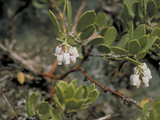
Arctostaphylos patula (greenleaf manzanita) - fire resistant, often used in erosion control
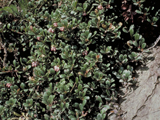
Arctostaphylos uva-ursi (kinnikinnick)
Baccharis pilularis (coyotebrush)
Ceanothus integerrimus (deerbrush)
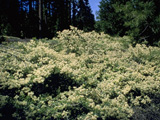
Ceanothus velutinus (snowbrush ceanothus)
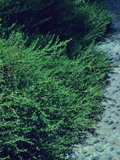
Ericameria nauseosa ssp. nauseosa (rubber rabbitbrush) - excellent for holding soil, but considered noxious weed on rangelands.
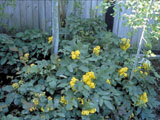
Mahonia repens (creeping barberry)
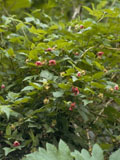
Rubus spectabilis (salmonberry)
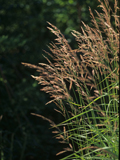
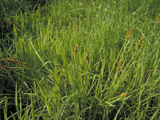
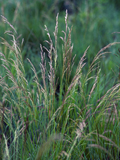
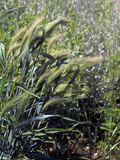
Grasses for a meadow garden in Oregon
Calamagrostis canadensis (bluejoint)
Carex stipata (owlfruit sedge)
Elymus canadensis (Canada wildrye)
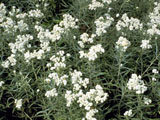
Perennial herbaceous blooming plants for meadow garden in Oregon
Anaphalis margaritacea (western pearly everlasting)
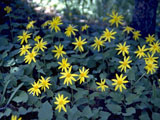
Arnica cordifolia (heartleaf arnica) - pictures
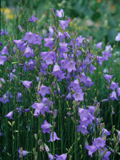
Campanula rotundifolia (bluebell bellflower)
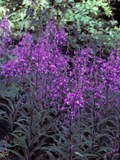
Chamerion angustifolium ssp. angustifolium (fireweed)
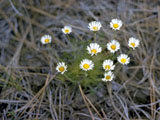
Erigeron compositus (cutleaf daisy)
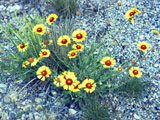
Gaillardia aristata (common gaillardia)
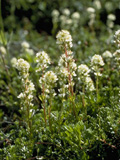
Luetkea pectinata (partridgefoot)
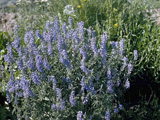
Lupinus sericeus (silky lupine)
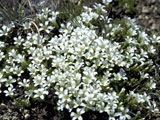
Minuartia obtusiloba (twinflower sandwort)
More Erosion Control Questions
Plants to grow in sandy shade with steep slope
August 14, 2014 - I'm a very experienced gardener but I'm completely stumped on this one.
We live among the dunes in SW Michigan. Our yard mostly consists of Ammophila breviligulata and Asclepias syriaca bisec...
view the full question and answer
Plants for a pond edge in IN
June 08, 2012 - Hello, I live in Southern Indiana. I care very much about reinforcing native plants for my region & not planting anything invasive.
I had a pond built last year & need some suggestions for native ...
view the full question and answer
Non-native daylilies for steep hill in Manassas VA
April 25, 2013 - Would like to plant steep hill w perennial flowering plants like daylily. The daylily farm said this would work great but not sure if we should lay landscaping fabric and poke through holes to plant ...
view the full question and answer
Shade Shrubs for a NJ Slope
June 27, 2016 - I live in central NJ and have a 15' shaded slope behind my home with a creek on the bottom. The slope erodes a little every year and I want to plant native plants on the slope to stop the erosion. Wha...
view the full question and answer
Liriope spicata for erosion and dust suppression from Bonifay FL
August 16, 2011 - I want to plant Liriope 'spicata'. I know it can be aggressive and that's what I want. We live on dirt road and need something by road for help in erosion and it's also hard to mow this are...
view the full question and answer
| Support the Wildflower Center by Donating Online or Becoming a Member today. |