Native Plants

Q. Who is Mr. Smarty Plants?
A: There are those who suspect Wildflower Center volunteers are the culpable and capable culprits. Yet, others think staff members play some, albeit small, role. You can torture us with your plant questions, but we will never reveal the Green Guru's secret identity.

Did you know you can access the Native Plant Information Network with your web-enabled smartphone?

Ask Mr. Smarty Plants
Ask Mr. Smarty Plants is a free service provided by the staff and volunteers at the Lady Bird Johnson Wildflower Center.

rate this answer

Thursday - March 05, 2009
From: Wichita, KS
Region: Midwest
Topic: Grasses or Grass-like
Title: Curvularia blight in buffalograss in Kansas
Answered by: Barbara Medford
QUESTION:
Our buffalo grass is infected with a fungus called curvularia. How can we treat it?ANSWER:
Bouteloua dactyloides (buffalograss) is a warm season grass native to the American prairie, including Kansas. Curvularia mold or curvularia blight is found in turfgrasses, and infection usually enters the plant through cut tips of grass blades. It is found in grasses that have been subjected to very warm soil and drought. However, it also can be a result of overwatering. This University of California Integrated Pest Management Curvularia Blight in Turfgrass does not mention buffalograss, but does list several non-native turf grasses that have been infected with curvularia. That website also lists some fungicide treatments which can only be applied by personnel licensed and trained to do so.
The Lady Bird Johnson Wildflower Center recommends neither for nor against the use of pesticides, but if you do wish to treat the problem chemically, we urge you to seek expert help in doing so. It would appear, from the information we could find, that careful irrigation practices, in which neither over- nor under-watering occurs, will help prevent the spread of infection. We suggest you contact the Kansas State University Extension office for Sedgewick County. Contact information is on their Home Page and also on their Lawn and Garden page. It's likely that yours is not an isolated incident, and the Extension office should have information and help.
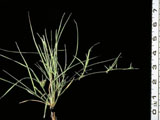
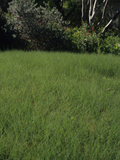
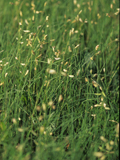
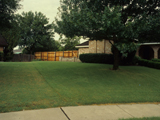
Pictures of curvularia-infected grasses.
More Grasses or Grass-like Questions
Alkalinity-tolerant grasses
July 24, 2005 - Dear Sirs - Are you aware of any grass species that could survive in strongly alkaline soils (ph from 10 up to 12) Thanks a lot.
view the full question and answer
Arguments for planting native grasses in College Station TX
April 09, 2010 - I hear big ads about putting zoysia grass on my urban lawn but I would rather plant native grass, like Texas Bluegrass (for shady areas) and Blue Grama and Buffalograss grasses. What arguments can I g...
view the full question and answer
Procedure for planting buffalograss
June 30, 2009 - I would like to get a full schedule of events/actions for planting a lawn with buffalo grass. The area is already a lawn, though mostly weeds. It is June/July. First, cover area to be seeded with b...
view the full question and answer
Non-native, and/or invasive bermudagrass, St. Augustine and Pistache from Houston
September 24, 2012 - Our St. Augustine lawn died suddenly this summer from either chinch bugs or grub worms (or both?), and a multitude of weeds and native Bermuda have taken over the area. Now that the weather has cooled...
view the full question and answer
Allowing Habiturf to seed out in Austin TX or Austin OR
November 21, 2013 - What does it mean to let habiturf "go to seed?" Do I need to wait for all the seeds to drop before that is true? Or, if I mow it when there are seed heads, will those seeds provide new plants in the...
view the full question and answer
| Support the Wildflower Center by Donating Online or Becoming a Member today. |