Native Plants

Q. Who is Mr. Smarty Plants?
A: There are those who suspect Wildflower Center volunteers are the culpable and capable culprits. Yet, others think staff members play some, albeit small, role. You can torture us with your plant questions, but we will never reveal the Green Guru's secret identity.

Did you know you can access the Native Plant Information Network with your web-enabled smartphone?

Ask Mr. Smarty Plants
Ask Mr. Smarty Plants is a free service provided by the staff and volunteers at the Lady Bird Johnson Wildflower Center.

rate this answer

Monday - December 01, 2008
From: Fort Worth, TX
Region: Southwest
Topic: Edible Plants
Title: Are flower petals poisonous?
Answered by: Nan Hampton
QUESTION:
Is it toxic to eat the petals on a flower? AshleyANSWER:
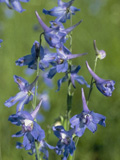
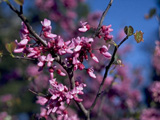
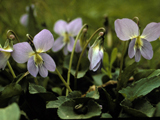
Well, yes and no. Some flowers and flower petals are poisonous. For example, all parts, including the petals of the flower, of all Delphinium species (such as, Delphinium carolinianum (Carolina larkspur)) are highly toxic and may be fatal if eaten. Then, there are other flowers that are regularly eaten and are considered quite tasty and non-toxic. For example, the flower petals of Cercis canadensis (eastern redbud) are delicious in salads. The flowers of violets (such as, Viola missouriensis (Missouri violet)) are good in salads and can also be candied and made into jellies or jams. There are many more edible flowers and many more toxic flowers, so the best rule to follow is: "Never eat, or even taste, any part of any plant unless you are absolutely sure you know what the plant is and that it is safe to eat." You can read more about edible native plants in Delena Tull's Edible and Useful Plants of Texas and the Southwest and you can learn more about poisonous plants in C. R. Hart's Toxic Plants of Texas.
More Edible Plants Questions
Is the fruit of Melothria pendula edible?
November 22, 2014 - Is the fruit of Melothria pendula edible?
view the full question and answer
Mulching vegetables with straw
June 13, 2007 - I have a small garden with 4 different veggies, tomatoes, hot peppers, squash & cucumbers. which plants is it OK to put straw under? which plants will straw hurt the stalks or other possibilities? tha...
view the full question and answer
Are gourds poisonous, edible?
August 27, 2008 - Are all the Gourds edible? How can I know which one is which? If it is not edible, is it poisonous? If not, what is stopping us from eating them?
view the full question and answer
Edible plants in Lycoming County, Pennsylvania
March 02, 2014 - Hi again! Thanks for answering my one question. I have another though. Do you know of any edible plants with no nasty side effects ( like stomach aches or being nauseous) that grow in Lycoming County ...
view the full question and answer
Plant identification in Georgia
September 14, 2011 - I saw the same question that I was going to ask about the plant that folds its leaves at dusk, with sparse branches, rapid growth, small yellow flowers and long (whisker-like, but do not appear to be ...
view the full question and answer
| Support the Wildflower Center by Donating Online or Becoming a Member today. |