Native Plants

Q. Who is Mr. Smarty Plants?
A: There are those who suspect Wildflower Center volunteers are the culpable and capable culprits. Yet, others think staff members play some, albeit small, role. You can torture us with your plant questions, but we will never reveal the Green Guru's secret identity.

Did you know you can access the Native Plant Information Network with your web-enabled smartphone?

Ask Mr. Smarty Plants
Ask Mr. Smarty Plants is a free service provided by the staff and volunteers at the Lady Bird Johnson Wildflower Center.

rate this answer

Monday - June 09, 2008
From: Folwerville, MI
Region: Midwest
Topic: Poisonous Plants
Title: Are black walnut and sugar maple poisonous to alpacas
Answered by: Nan Hampton
QUESTION:
I have alpacas and wonder if black walnut or sugar maple are poisonous to them.ANSWER:
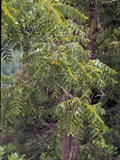
The standard poisonous plants databases don't normally list alpacas in the animals that are considered, but there is a specific database, Plants that are Poisonous to Alpacas, that lists Juglans nigra (black walnut) and Acer rubrum (red maple) as toxic. Alpacanation.com also has lists for plants poisonous to alpacas.From the standard poisonous plants databases, the Canadian Poisonous Plants Information System says that black walnut (Juglans nigra) shavings used as a bedding for horses can cause laminitis. Other symptoms listed are ataxia, rapid breathing, depression, lethargy, and recumbency. The Indiana Plants Poisonous to Livestock and Pets database advises limiting access of horses to pastures with black walnut trees. The hulls of the fruits also cause gastric distress in dogs.
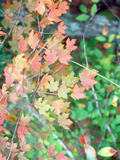
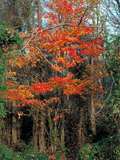
Several poisonous plant databases list Acer rubrum (red maple), or Acer sp. (specifically the leaves) as being toxic to horses, causing hemolytic anemia. The symptoms include depression, weakness, anorexia, red or brown urine, yellow or brown mucous membranes. See the following databases:
Canadian Poisonous Plants Information System
University of Pennsylvania Poisonous Plants
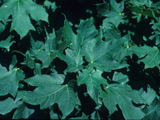
There are no specific references to Acer saccharum (sugar maple), but the University of Pennsylvania Poisonous Plants database shows this warning:
"While there are no documented cases of other Acer sp. causing intoxication, they should be considered a potential problem until proven otherwise. Thus, access of horses to silver and sugar maples should be restricted."
More Poisonous Plants Questions
List of poisonous plants for Bexar County, Texas
January 14, 2014 - I need to know local poisonous plants in Bexar County San Antonio. Please respond soon I'm trying to get Tenderfoot tonight and am doing my board of review.
view the full question and answer
Kousa Dogwood Fruit Toxic to Dogs?
October 14, 2014 - Are Kousa dogwood berries toxic to dogs?
view the full question and answer
Tropical looking plants for pool area in California
November 14, 2008 - I am looking for small tropical looking plants, groundcover, and 2-small trees for around my pool. They have to be non-toxic to dogs,cats, and people. They can't attract bees/wasps, or have a root ...
view the full question and answer
Getting rid of poison ivy, poison oak and poison sumac
July 30, 2011 - How can I rid my yard of poison ivy, poison oak and poison sumac? I have tried roundup, poison ivy roundup and even a clorox solution and nothing seems to kill it, I keep seeing it come up. Any help ...
view the full question and answer
Wintering over an Angel Trumpet in Kentucky
September 20, 2008 - I have an Angel Trumpet on my deck in LaGrange,Ky -Can I plant it out in the yard now or do I have to take it in the house for the winter- It is 5 feet tall and I have no room in the house! Help!-Than...
view the full question and answer
| Support the Wildflower Center by Donating Online or Becoming a Member today. |