BECOME A MEMBER
Membership is a cost-effective way to visit often and support our important work. Please join our efforts to connect people to the natural world and create a more sustainable future.
EVENTS & CLASSES
Join us for one of our exciting classes, programs or events
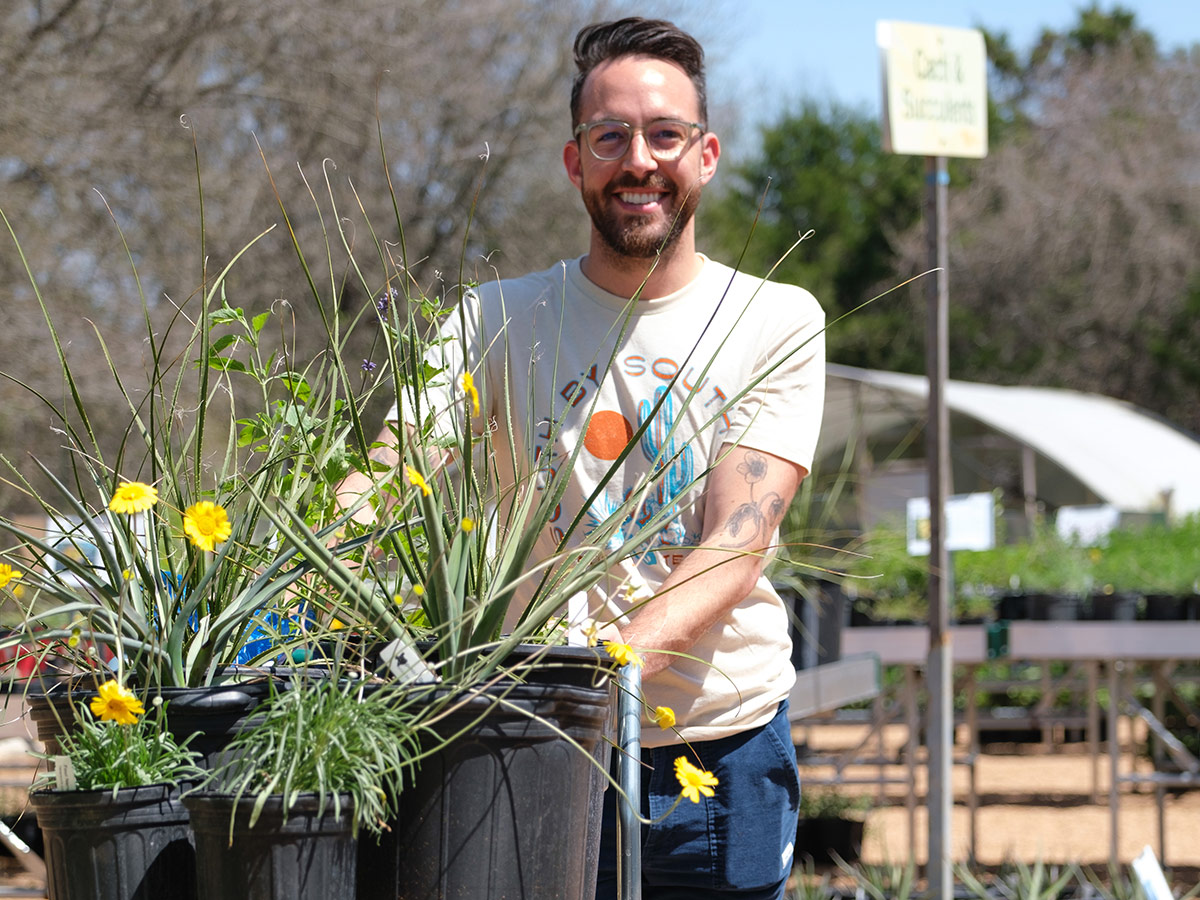
Spring Native Plant Sale
Fridays – Sundays, April 12 – 28
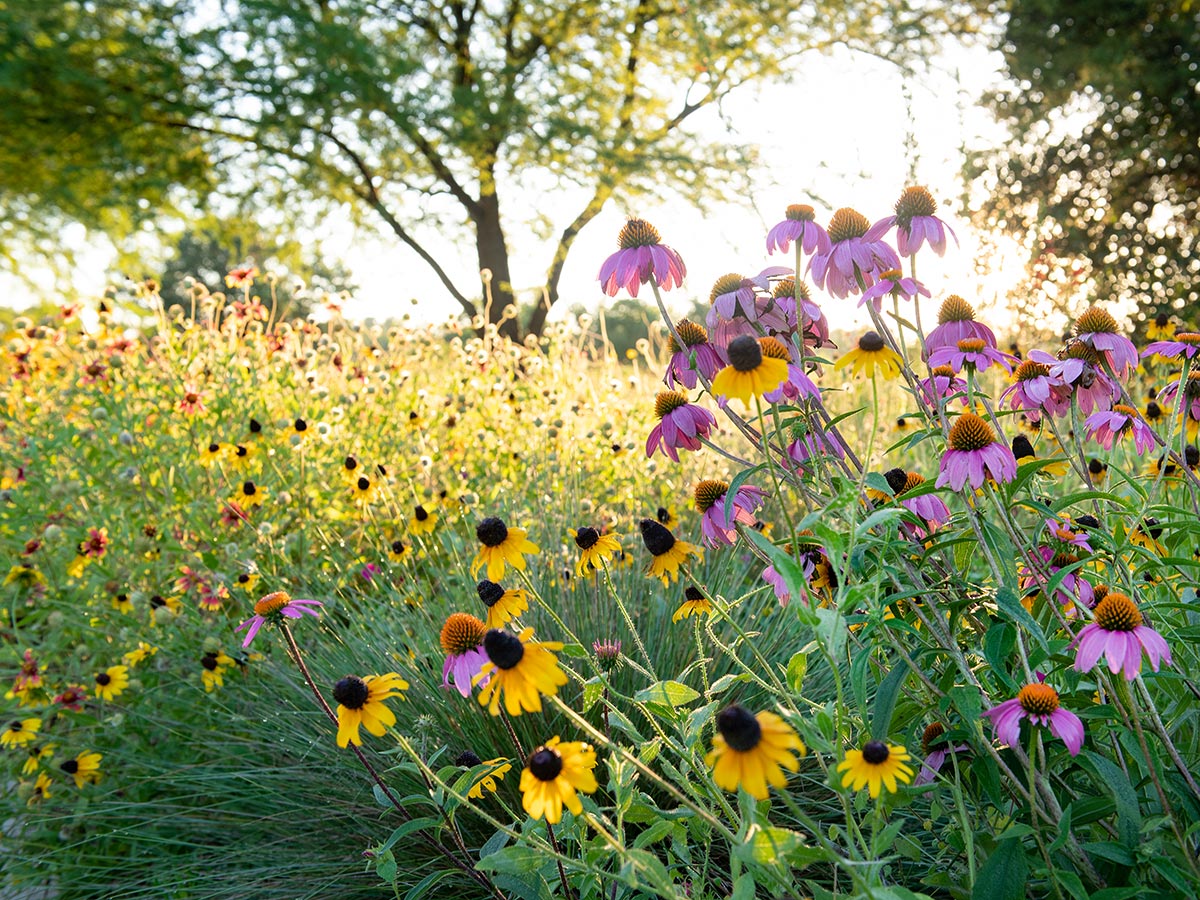
Easy Spring Gardening Series
Saturday, April 27 & Saturday, May 4

Sprouts
Wednesday, April 24
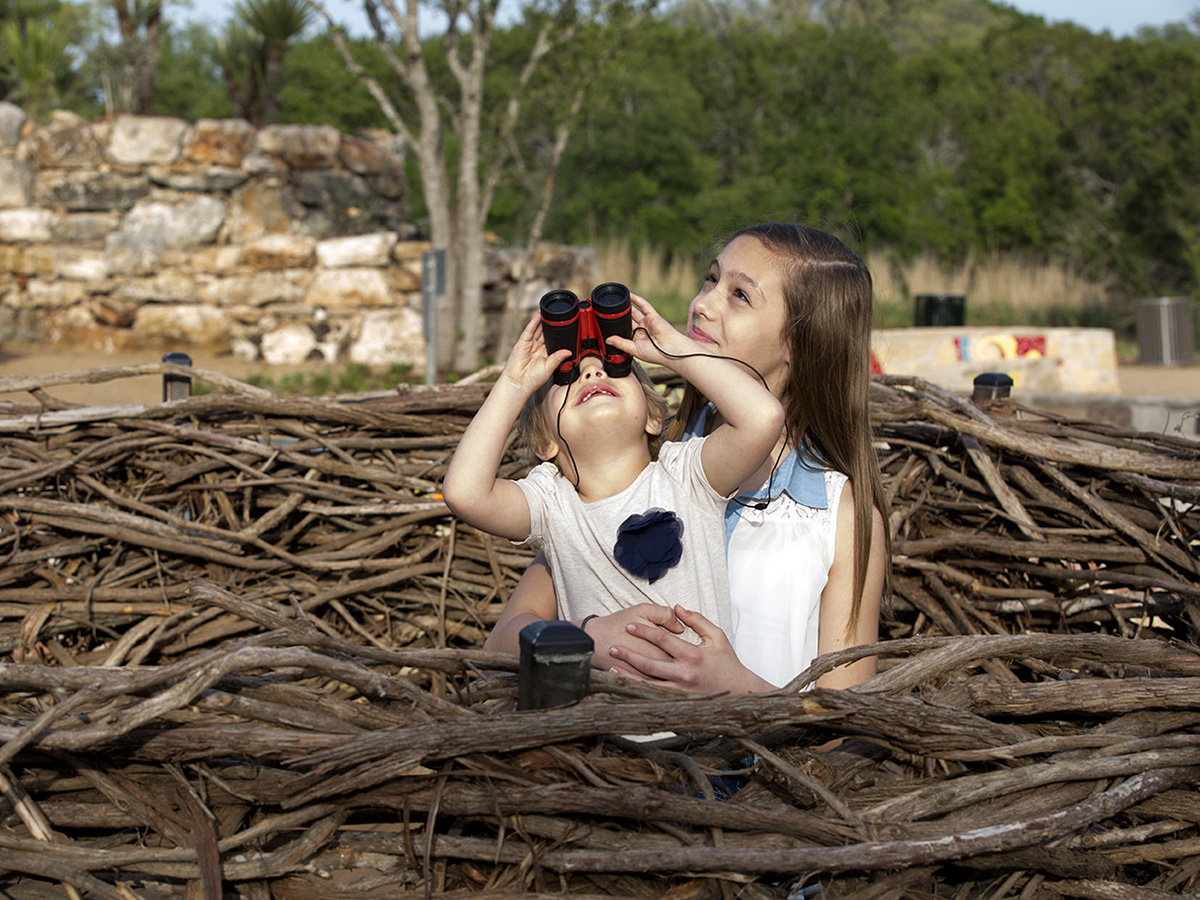
Drop-in & Discover
Saturday, May 4
GARDEN VIEWS
An inside glimpse of the gardens from our Instagram feed
Immerse yourself in tranquility with our Forest Bathing session on May 5, 10 - 11 a.m. 🌳
Based on the Japanese practice of Shinrin-Yoku, this class offers a peaceful escape by helping you connect deeply with nature through mindfulness and meditation. Each session concludes with a serene tea ceremony, adding a perfect finish to your experience.
Click the link in our bio to learn more. Space is limited, so registration is required.
📷: Wildflower Center
#StayWild #WildflowerCenter
Apr 23

Happy Earth Day! 🌎💐 Today, we`re celebrating from the trees to the butterflies, and every beautiful bird song in between.
We’re grateful to call this planet our home. It’s a wonderful day to appreciate our beautiful planet and to remind ourselves of the importance of protecting it for the generations to come.
As the Botanic Garden of Texas, our mission is to inspire the conservation of native plants through our dedicated efforts. Looking for a great way to celebrate Earth Day? Why not visit us at the Wildflower Center? 🌼
Tap the link in our bio to plan your visit!
#StayWild #WildflowerCenter #EarthDay
Apr 22
Join us Tuesday, April 23 for Tuesday Twilights: Poetry Night, from 5 to 8 p.m.! We’re thrilled to host renowned poets Naomi Shihab Nye ( @nshihab2018 ) and Tess Taylor ( @tessathon )! To learn more and secure your spot, click the link in our bio!
Here’s the lineup for April 23:
MUSIC: @oscarornelas512
FOOD: @mixtcaribbeanblends and @craigosfoodtruck
DRINK: Enjoy the featured cocktail, Tito’s Hibiscus Spritz
Also, thanks to @titosvodka for sponsoring this event!
Thank you to all the organizations contributing tomorrow, including @ecotheo , @michenercenter , and @myssw
📷: Julia Bennett
#StayWild #WildflowerCenter #TuesdayTwilight
Apr 19
What`s in season: Pink evening primrose (Oenothera speciosa) is making itself known to our visitors everywhere - primarily by the silo and cafe, but also sprinkled in by the pollinator garden and the discovery bridge! 🌸
As the common name implies, most evening primrose species open their flowers in the evening, closing them again early each morning. The flowers of some members of the genus open in the evening so rapidly that the movement can almost be observed. Have you spotted these in your neighborhood? Sound off in the comments!
📷: Sandy Smith
#WildflowerCenter #StayWild #WhatsInSeason
Apr 19
Holy moly, indeed! 🪴 Don’t miss out on our Spring Native Plant Sale from April 19-28, every Friday to Sunday, 9 a.m. - 1 p.m.
We’ve got an amazing array of Texas natives perfect for your garden!
Find all the details, plant list, and prices by clicking the link in our bio. See you there!
#StayWild #WildflowerCenter #SpringNativePlantSale
Apr 18
"Bee" a friend to pollinators! 🐝 A lover of wide-open spaces, the American bumblebee (Bombus pensylvanicus) spends much of its time in farmlands and fields.
Tap the link in our bio or go to wildflower.org/adopt to adopt this beautiful bee or choose from the other pollinators by May 14. Each symbolic adoption includes an emailed and easily printed kit, with three weekly activity sheets and a certificate of completion. Thank you to everyone who has adopted pollinators already for supporting these incredible creatures that keep our gardens blooming.
📷: Julie Shaw (@tex_anne) #StayWild #WildflowerCenter
Apr 16
Join us tomorrow, Tuesday night, from 5 to 8 p.m.! Enjoy live music, tasty food, and more. Reserve your spot by clicking the link in our bio!
Here’s the lineup for Tuesday, April 16:
MUSIC: @jazzdaddies
FOOD: @konfusedesindianfoodtruck
DRINK: Tito’s Texas Sipper
Special thanks to our event sponsor, @titosvodka!
📷 : Julia Bennett
#StayWild #WildflowerCenter #TuesdayTwilights
Apr 15
Let`s get creative! Join us for the Wildflowers in Watercolor Workshop on April 20, from 10 a.m. to 2 p.m.
During this class, students will paint the wildflowers of spring while focusing on our Wildflower of the Year, the rock rose. Some experience with watercolor painting is recommended.
Don’t miss out on this opportunity to bring your watercolors to life! Spaces are limited, so secure your spot now by registering at the link in our bio.
#StayWild #WildflowerCenter
Apr 14
Sprout new skills at our Easy Spring Gardening series, starting April 27, 9:30-11 a.m. ! 🌱
Join our expert horticulturist to learn the joy of gardening with ease. This two-part class is perfect for anyone looking to grow their green thumb with native plants, offering hands-on tips and practicing what you`ve learned.
Ready to transform your garden without the guesswork? Space is limited, so grab your spot today. Check the link in our bio to learn more!
📷: @tdimenno #StayWild #WildflowerCenter
Apr 13
Join us for our Spring Native Plant Sale this weekend! The Plant Sale will go through April 12-28, every Friday to Sunday, 9 a.m. - 1 p.m.
Dive into our diverse collection of Texas native plants perfect for your garden! Full details, plant list, and prices at the link in our bio.
#StayWild #WildflowerCenter #SpringNativePlantSale
Apr 12
Immerse yourself in tranquility with our Forest Bathing session on May 5, 10 - 11 a.m. 🌳
Based on the Japanese practice of Shinrin-Yoku, this class offers a peaceful escape by helping you connect deeply with nature through mindfulness and meditation. Each session concludes with a serene tea ceremony, adding a perfect finish to your experience.
Click the link in our bio to learn more. Space is limited, so registration is required.
📷: Wildflower Center
#StayWild #WildflowerCenter
Apr 23
Happy Earth Day! 🌎💐 Today, we`re celebrating from the trees to the butterflies, and every beautiful bird song in between.
We’re grateful to call this planet our home. It’s a wonderful day to appreciate our beautiful planet and to remind ourselves of the importance of protecting it for the generations to come.
As the Botanic Garden of Texas, our mission is to inspire the conservation of native plants through our dedicated efforts. Looking for a great way to celebrate Earth Day? Why not visit us at the Wildflower Center? 🌼
Tap the link in our bio to plan your visit!
#StayWild #WildflowerCenter #EarthDay
Apr 22
Join us Tuesday, April 23 for Tuesday Twilights: Poetry Night, from 5 to 8 p.m.! We’re thrilled to host renowned poets Naomi Shihab Nye ( @nshihab2018 ) and Tess Taylor ( @tessathon )! To learn more and secure your spot, click the link in our bio!
Here’s the lineup for April 23:
MUSIC: @oscarornelas512
FOOD: @mixtcaribbeanblends and @craigosfoodtruck
DRINK: Enjoy the featured cocktail, Tito’s Hibiscus Spritz
Also, thanks to @titosvodka for sponsoring this event!
Thank you to all the organizations contributing tomorrow, including @ecotheo , @michenercenter , and @myssw
📷: Julia Bennett
#StayWild #WildflowerCenter #TuesdayTwilight
Apr 19
What`s in season: Pink evening primrose (Oenothera speciosa) is making itself known to our visitors everywhere - primarily by the silo and cafe, but also sprinkled in by the pollinator garden and the discovery bridge! 🌸
As the common name implies, most evening primrose species open their flowers in the evening, closing them again early each morning. The flowers of some members of the genus open in the evening so rapidly that the movement can almost be observed. Have you spotted these in your neighborhood? Sound off in the comments!
📷: Sandy Smith
#WildflowerCenter #StayWild #WhatsInSeason
Apr 19
Holy moly, indeed! 🪴 Don’t miss out on our Spring Native Plant Sale from April 19-28, every Friday to Sunday, 9 a.m. - 1 p.m.
We’ve got an amazing array of Texas natives perfect for your garden!
Find all the details, plant list, and prices by clicking the link in our bio. See you there!
#StayWild #WildflowerCenter #SpringNativePlantSale
Apr 18
"Bee" a friend to pollinators! 🐝 A lover of wide-open spaces, the American bumblebee (Bombus pensylvanicus) spends much of its time in farmlands and fields.
Tap the link in our bio or go to wildflower.org/adopt to adopt this beautiful bee or choose from the other pollinators by May 14. Each symbolic adoption includes an emailed and easily printed kit, with three weekly activity sheets and a certificate of completion. Thank you to everyone who has adopted pollinators already for supporting these incredible creatures that keep our gardens blooming.
📷: Julie Shaw (@tex_anne) #StayWild #WildflowerCenter
Apr 16
Join us tomorrow, Tuesday night, from 5 to 8 p.m.! Enjoy live music, tasty food, and more. Reserve your spot by clicking the link in our bio!
Here’s the lineup for Tuesday, April 16:
MUSIC: @jazzdaddies
FOOD: @konfusedesindianfoodtruck
DRINK: Tito’s Texas Sipper
Special thanks to our event sponsor, @titosvodka!
📷 : Julia Bennett
#StayWild #WildflowerCenter #TuesdayTwilights
Apr 15
Let`s get creative! Join us for the Wildflowers in Watercolor Workshop on April 20, from 10 a.m. to 2 p.m.
During this class, students will paint the wildflowers of spring while focusing on our Wildflower of the Year, the rock rose. Some experience with watercolor painting is recommended.
Don’t miss out on this opportunity to bring your watercolors to life! Spaces are limited, so secure your spot now by registering at the link in our bio.
#StayWild #WildflowerCenter
Apr 14
Sprout new skills at our Easy Spring Gardening series, starting April 27, 9:30-11 a.m. ! 🌱
Join our expert horticulturist to learn the joy of gardening with ease. This two-part class is perfect for anyone looking to grow their green thumb with native plants, offering hands-on tips and practicing what you`ve learned.
Ready to transform your garden without the guesswork? Space is limited, so grab your spot today. Check the link in our bio to learn more!
📷: @tdimenno #StayWild #WildflowerCenter
Apr 13
Join us for our Spring Native Plant Sale this weekend! The Plant Sale will go through April 12-28, every Friday to Sunday, 9 a.m. - 1 p.m.
Dive into our diverse collection of Texas native plants perfect for your garden! Full details, plant list, and prices at the link in our bio.
#StayWild #WildflowerCenter #SpringNativePlantSale
Apr 12
Help us spread the beauty!
EXPLORE MORE
Expert advice, plant nerdery and inspiring stories
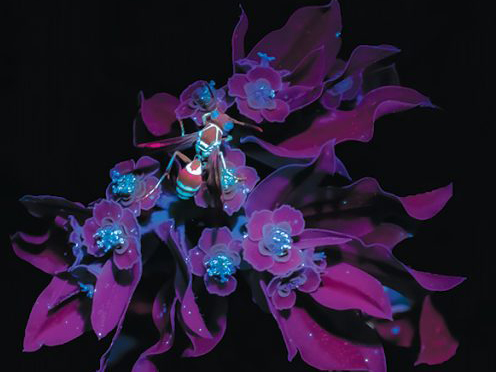
A Different Light
Creative photography helps us see flowers with new eyes
Reflections and Reclamation