Native Plants

Plant Database
Search for native plants by scientific name, common name or family. If you are not sure what you are looking for, try the Combination Search or our Recommended Species lists.
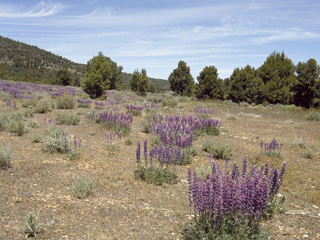
Bransford, W.D. and Dolphia
Lupinus polyphyllus
Lupinus polyphyllus Lindl.
Bigleaf Lupine, Blue-pod Lupine, Meadow Lupine, Bog Lupine
Fabaceae (Pea Family)
Synonym(s):
USDA Symbol: lupo2
USDA Native Status: L48 (N), AK (I?), CAN (N)
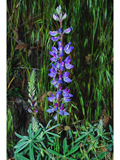
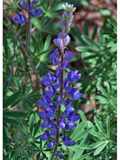
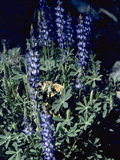
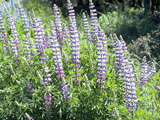
Blue-pod lupine or meadow lupine is a 3-5 ft., robust perennial with bold, rich-green, palmate leaves and stately spires of large, deep-blue, purple or reddish flowers. 1 or several mostly unbranched, stout, hollow stems with violet or blue-violet pea flowers in long dense racemes.
This somewhat succulent lupine is one of the tallest and lushest western species. It has been crossed with other lupines, particularly Tree Lupine (L. arboreus), for beautiful horticultural hybrids. This species is widely naturalized and often invasive in northeastern US and eastern Canada.

Plant Characteristics
Duration: PerennialHabit: Herb
Leaf Arrangement: Alternate
Fruit Type: Legume
Size Notes: Up to about 5 feet tall.
Bloom Information
Bloom Color: Pink , Blue , PurpleBloom Time: May
Distribution
USA: AK , CA , CO , ID , MT , NV , OR , UT , WA , WYCanada: AB , BC
Native Distribution: Coast Ranges from CA to AK; e., primarily in the mountains, to AB. & CO.
Native Habitat: Primarily streambanks, meadows & other moist or wet places. Also grows on mesic soils.
Growing Conditions
Light Requirement: Sun , Part ShadeSoil Moisture: Dry , Moist
Soil pH: Acidic (pH<6.8)
Soil Description: Moist, cool soils.
Benefit
Use Wildlife: Hummingbirds, ButterfliesWarning: POISONOUS PARTS: Seeds. Toxic only if eaten in large quantities. Symptoms include respiratory depression and slow heartbeat, sleepiness, convulsions. Toxic Principle: Alkaloids such as lupinine, anagyrine, sparteine, and hydroxylupanine. (Poisonous Plants of N.C.)
Conspicuous Flowers: yes
Attracts: Hummingbirds
Value to Beneficial Insects
Special Value to Native BeesSpecial Value to Bumble Bees
This information was provided by the Pollinator Program at The Xerces Society for Invertebrate Conservation.
Propagation
Description: Sow seeds in fall or divide mature plants in spring or late summer. Seeds may be slow to germinate.Seed Collection: The wooly, 1-2 in. pod fruit contains 5-9 mottled seeds which turn dark brown at maturity.
Seed Treatment: Fresh seeds need no pretreatment, but dry seeds need scarification. The latter can be steeped for twelve hours in water brought just to a boil.
Commercially Avail: yes
Find Seed or Plants
Find seed sources for this species at the Native Seed Network.
National Wetland Indicator Status
| Region: | AGCP | AK | AW | CB | EMP | GP | HI | MW | NCNE | WMVE |
| Status: | FAC | FAC | FACU | FACU | FAC |
From the National Organizations Directory
According to the species list provided by Affiliate Organizations, this plant is on display at the following locations:Native Seed Network - Corvallis, OR
Additional resources
USDA: Find Lupinus polyphyllus in USDA PlantsFNA: Find Lupinus polyphyllus in the Flora of North America (if available)
Google: Search Google for Lupinus polyphyllus
Metadata
Record Modified: 2023-05-30Research By: TWC Staff