Native Plants

Plant Database
Search for native plants by scientific name, common name or family. If you are not sure what you are looking for, try the Combination Search or our Recommended Species lists.
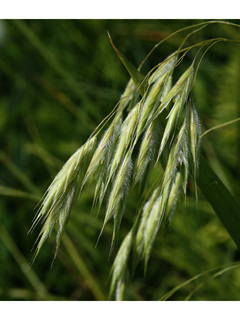
Smith, R.W.
Bromus ciliatus
Bromus ciliatus L.
Fringed Brome
Poaceae (Grass Family)
Synonym(s):
USDA Symbol: brci2
USDA Native Status: L48 (N), AK (N), CAN (N), SPM (N)
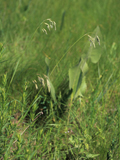
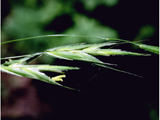
Drooping florets oat-like appearance. Cool-season, clump-forming grass. Often with conifers such as cedars (Ontario Native Plants 2002)
Plant Characteristics
Duration: PerennialHabit: Grass/Grass-like
Root Type: Fibrous
Leaf Arrangement: Alternate
Leaf Complexity: Simple
Leaf Venation: Parallel
Inflorescence: Spikelet
Fruit Type: Caryopsis
Size Notes: Up to about 5 feet tall.
Leaf: Green
Bloom Information
Bloom Color: YellowBloom Time: Jul , Aug
Distribution
USA: AK , AZ , CA , CO , CT , IA , ID , IL , IN , MA , MD , ME , MI , MN , MT , NC , ND , NE , NH , NJ , NM , NV , NY , OH , OR , PA , RI , SD , TN , TX , UT , VA , VT , WA , WI , WV , WYCanada: AB , NB , NS , ON , PE , SK
Native Habitat: Prairie/Meadow/Field,Swamp/Marsh
Growing Conditions
Water Use: MediumLight Requirement: Sun , Part Shade , Shade
Soil Moisture: Moist
CaCO3 Tolerance: Medium
Benefit
Conspicuous Flowers: yesFind Seed or Plants
View propagation protocol from Native Plants Network.
National Wetland Indicator Status
| Region: | AGCP | AK | AW | CB | EMP | GP | HI | MW | NCNE | WMVE |
| Status: | FACW | FACU | FAC | FACW | FAC | FACW | FACW | FAC |
From the National Organizations Directory
According to the species list provided by Affiliate Organizations, this plant is on display at the following locations:North American Native Plant Society - Etobicoke, ON
Additional resources
USDA: Find Bromus ciliatus in USDA PlantsFNA: Find Bromus ciliatus in the Flora of North America (if available)
Google: Search Google for Bromus ciliatus
Metadata
Record Modified: 2018-03-08Research By: TWC Staff