Native Plants

Plant Database
Search for native plants by scientific name, common name or family. If you are not sure what you are looking for, try the Combination Search or our Recommended Species lists.
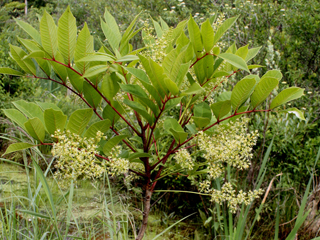
Smith, R.W.
Toxicodendron vernix
Toxicodendron vernix (L.) Kuntze
Poison Sumac
Anacardiaceae (Sumac Family)
Synonym(s): Rhus vernix
USDA Symbol: TOVE
USDA Native Status: L48 (N), CAN (N)
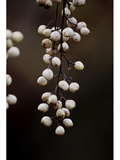
Poisonous yet attractive narrow-crowned shrub or small tree with waxy whitish berries and dramatic fall foliage.
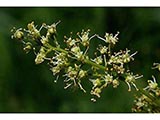
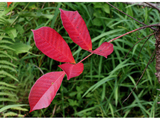
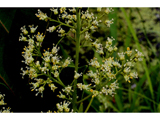
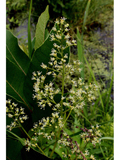
Plant Characteristics
Duration: PerennialHabit: Tree
Leaf Arrangement: Alternate
Leaf Complexity: Pinnate
Leaf Shape: Ovate
Leaf Margin: Entire
Fruit Type: Drupe
Size Notes: Height up to about 20 feet.
Fruit: White. 1/4-1/3 inch across.
Bloom Information
Bloom Color: Yellow , Green , BrownBloom Time: Jun , Jul
Distribution
USA: AL , CT , DC , DE , FL , GA , IL , IN , KY , LA , MA , MD , ME , MI , MN , MS , NC , NH , NJ , NY , OH , PA , RI , SC , TN , TX , VA , VT , WI , WVCanada: NS , ON , QC
Native Distribution: Extreme S. Quebec and Maine south to central Florida, west to E. Texas, and north to SE. Minnesota; mostly confined to Atlantic and Gulf coastal plains and Great Lakes region; to 1000' (305 m).
Native Habitat: Wet soil of swamps, bogs, seepage slopes, and frequently flooded areas; in shady hardwood forests.
Growing Conditions
Light Requirement: Part Shade , ShadeSoil Moisture: Moist , Wet
Benefit
Use Wildlife: The fruit of Poison Sumac is not toxic to birds or animals and is consumed by many kinds of wildlife, such as bobwhites, pheasants, grouse, and rabbits, especially in winter, when other food is scarce.Use Other: A black varnish can be made from the sap, as in a related Japanese species.
Warning: POISONOUS PARTS: All parts, in all seasons if plant sap contacted. Severe skin irritation upon contact. Symptoms include severe skin redness, itching, swelling, and blisters following direct or indirect contact. Toxic Principle: Urushiol. (Poisonous Plants of N.C.)
Attracts: Birds
Find Seed or Plants
View propagation protocol from Native Plants Network.
National Wetland Indicator Status
| Region: | AGCP | AK | AW | CB | EMP | GP | HI | MW | NCNE | WMVE |
| Status: | OBL | OBL | OBL | OBL |
Web Reference
Webref 57 - Atlas of Florida Plants (2020) Institute for Systematic BotanyWebref 23 - Southwest Environmental Information Network (2009) SEINet - Arizona Chapter
From the Archive
Wildflower Newsletter 1985 VOL. 2, NO.3 - Greenhouse Assists Research, Wild color on the Hills, Director's Report, Clearin...Additional resources
USDA: Find Toxicodendron vernix in USDA PlantsFNA: Find Toxicodendron vernix in the Flora of North America (if available)
Google: Search Google for Toxicodendron vernix
Metadata
Record Modified: 2023-05-25Research By: TWC Staff