Native Plants

Plant Database
Search for native plants by scientific name, common name or family. If you are not sure what you are looking for, try the Combination Search or our Recommended Species lists.
Cressler, Alan
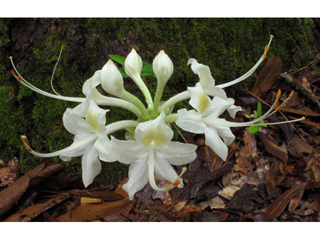
Rhododendron alabamense
Rhododendron alabamense Rehder
Alabama Azalea
Ericaceae (Heath Family)
Synonym(s): Azalea alabamensis
USDA Symbol: RHAL5
USDA Native Status: L48 (N)
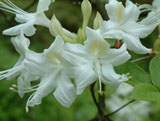
A low-growing, deciduous azalea usually less than 6 ft. high. Tends toward compactness and may sucker. The white, sometimes yellow-blotched, lemon-scented, tubular flowers with protruding stamens occur in terminal clusters of 6-10 before or with leaf emergence.

Plant Characteristics
Duration: PerennialHabit: Shrub
Leaf Retention: Deciduous
Leaf Arrangement: Alternate
Leaf Complexity: Simple
Breeding System: Flowers Bisexual
Fruit Type: Capsule
Size Notes: Up to about 15 feet tall, often much shorter.
Bloom Information
Bloom Color: White , Pink , YellowBloom Time: Mar , Apr , May
Bloom Notes: White petals are sometimes tinged pink.
Distribution
USA: AL , FL , GA , MS , NC , SC , TNNative Distribution: SC to AL
Native Habitat: Dry, open woods; rich, wooded slopes
Growing Conditions
Light Requirement: ShadeSoil pH: Acidic (pH<6.8)
Soil Description: Well-drained soil.
Conditions Comments: Possibly the most fragrant native azalea. Alabama azalea frequently hybridizes and does not always appear true-to-type so it should be purchased in flower.
Value to Beneficial Insects
Special Value to Bumble BeesThis information was provided by the Pollinator Program at The Xerces Society for Invertebrate Conservation.
Propagation
Description: Combine seeds loosely with sphagnum moss and sprinkle lightly over a 2:1 perlite/peat mixture. Optimum temperatures for germination are 45-50 degrees. Transplant seedlings to acid soil with a high content of organic matter. Cultivated evergreen azaleasSeed Treatment: No pretreatment is necessary.
Commercially Avail: yes
From the National Organizations Directory
According to the species list provided by Affiliate Organizations, this plant is on display at the following locations:Delaware Nature Society - Hockessin, DE
Mt. Cuba Center - Hockessin, DE
Web Reference
Webref 57 - Atlas of Florida Plants (2020) Institute for Systematic BotanyWebref 38 - Flora of North America (2019) Missouri Botanical Garden, St. Louis, MO & Harvard University Herbaria, Cambridge, MA.
Additional resources
USDA: Find Rhododendron alabamense in USDA PlantsFNA: Find Rhododendron alabamense in the Flora of North America (if available)
Google: Search Google for Rhododendron alabamense
Metadata
Record Modified: 2022-10-20Research By: TWC Staff