Native Plants

Plant Database
Search for native plants by scientific name, common name or family. If you are not sure what you are looking for, try the Combination Search or our Recommended Species lists.
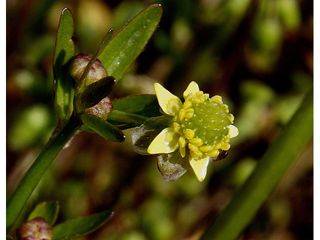
Smith, R.W.
Ranunculus abortivus
Ranunculus abortivus L.
Littleleaf Buttercup, Kidney-leaf Buttercup, Early Wood Buttercup
Ranunculaceae (Buttercup Family)
Synonym(s): Ranunculus abortivus ssp. acrolasius, Ranunculus abortivus var. acrolasius, Ranunculus abortivus var. eucyclus, Ranunculus abortivus var. indivisus, Ranunculus abortivus var. typicus
USDA Symbol: RAAB
USDA Native Status: L48 (N), AK (N), CAN (N), SPM (N)
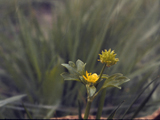
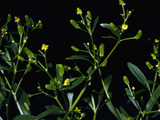
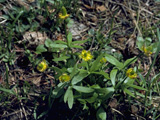
An erect to spreading biennial or short-lived perennial, 6-24 in. tall. Basal leaves are kidney-shaped; stem leaves are once- or twice-parted. Small flowers with drooping, yellow petals are numerous.
With its small petals, this species does not look much like a buttercup, but its many separate stamens and pistils are typical of the genus. The species name refers to the reduced petals. At least 10 similarly small-flowered species occur in eastern North America.

Plant Characteristics
Duration: BiennialHabit: Herb
Fruit Type: Achene
Size Notes: Up to about 2 feet tall.
Leaf: Green
Bloom Information
Bloom Color: YellowBloom Time: Mar , Apr , May , Jun , Jul
Distribution
USA: AK , AL , AR , CO , CT , DC , DE , FL , GA , IA , ID , IL , IN , KS , KY , LA , MA , MD , ME , MI , MN , MO , MS , MT , NC , ND , NE , NH , NJ , NM , NY , OH , OK , PA , RI , SC , SD , TN , TX , VA , VT , WA , WI , WV , WYCanada: NB , NS , ON , PE
Native Distribution: Lab. to AK, s. to FL, TX, CO & n.e. WA
Native Habitat: Rich, moist woods; alluvial areas
Growing Conditions
Water Use: MediumLight Requirement: Shade
Soil Moisture: Moist
CaCO3 Tolerance: Medium
Soil Description: Moist, rich soils.
Conditions Comments: The sap of this plant may cause a dermatitis if it come in contact with susceptible people.
Benefit
Use Wildlife: Ground-foraging birds and small mammals eat the seeds.Warning: POISONOUS PARTS: All parts. Low toxicity if eaten. Minor skin irritation lasting minutes if touched. Symptoms include burning of the mouth, abdominal pain, vomiting, and bloody diarrhea. Skin redness, burning sensation, and blisters following contact with cell sap. Toxic Principle: Protoanemonin, released from the glycoside ranunculin.(Poisonous Plants of N.C.)
Conspicuous Flowers: yes
National Wetland Indicator Status
| Region: | AGCP | AK | AW | CB | EMP | GP | HI | MW | NCNE | WMVE |
| Status: | FACW | FAC | FACW | FACW | FAC | FACW | FAC | FACW |
Web Reference
Webref 38 - Flora of North America (2019) Missouri Botanical Garden, St. Louis, MO & Harvard University Herbaria, Cambridge, MA.Webref 23 - Southwest Environmental Information Network (2009) SEINet - Arizona Chapter
Additional resources
USDA: Find Ranunculus abortivus in USDA PlantsFNA: Find Ranunculus abortivus in the Flora of North America (if available)
Google: Search Google for Ranunculus abortivus
Metadata
Record Modified: 2023-02-23Research By: TWC Staff