Native Plants

Plant Database
Search for native plants by scientific name, common name or family. If you are not sure what you are looking for, try the Combination Search or our Recommended Species lists.
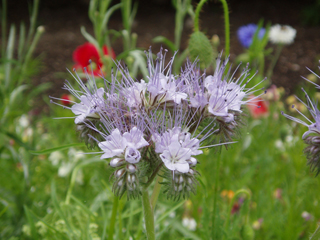
Makin, Julie
Phacelia tanacetifolia
Phacelia tanacetifolia Benth.
Lacy Phacelia, Lacy Scorpion-weed
Hydrophyllaceae (Waterleaf Family)
Synonym(s): Phacelia tanacetifolia subvar. tenuisecta
USDA Symbol: PHTA
USDA Native Status: L48 (N), CAN (W)
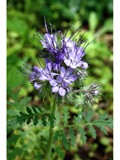
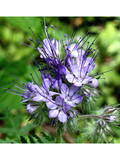
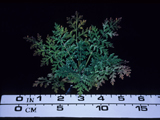
This is a 1-3 ft., annual phacelia with divided, feathery, clasping, tansy-like leaves covered with short, stiff hairs. The lavender-blue, bell-shaped flowers occur in fiddlehead clusters near the tops of the stems. Long stamens and styles extend well beyond the flowers.

Plant Characteristics
Duration: AnnualHabit: Herb
Fruit Type: Capsule
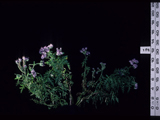
Size Notes: Up to about 3 feet tall.
Leaf: Green
Bloom Information
Bloom Color: BlueBloom Time: Mar , Apr , May
Distribution
USA: AZ , CA , KS , MA , ME , MI , NV , ORNative Distribution: Much of CA to AZ
Native Habitat: Open flats & slopes below 4000 ft.
Growing Conditions
Water Use: MediumLight Requirement: Sun
Soil Moisture: Dry
CaCO3 Tolerance: Medium
Soil Description: Rocky or sandy soils.
Benefit
Warning: Some Phacelia species produce a skin irritation in sensitive people, similar to that of poison oak or poison ivy.Conspicuous Flowers: yes
Value to Beneficial Insects
Special Value to Native BeesSpecial Value to Bumble Bees
Special Value to Honey Bees
This information was provided by the Pollinator Program at The Xerces Society for Invertebrate Conservation.
Propagation
Description: Propagated only from seeds. Sow on top of soil as light is needed for germination.Seed Treatment: While no stratification is needed, germination is enhanced by scarifying the seeds. Scratch or nick the seed coat then soak in water overnight.
Commercially Avail: yes
Find Seed or Plants
Find seed sources for this species at the Native Seed Network.
From the National Organizations Directory
According to the species list provided by Affiliate Organizations, this plant is on display at the following locations:Native Seed Network - Corvallis, OR
Web Reference
Webref 23 - Southwest Environmental Information Network (2009) SEINet - Arizona ChapterAdditional resources
USDA: Find Phacelia tanacetifolia in USDA PlantsFNA: Find Phacelia tanacetifolia in the Flora of North America (if available)
Google: Search Google for Phacelia tanacetifolia
Metadata
Record Modified: 2023-01-31Research By: TWC Staff