Native Plants

Plant Database
Search for native plants by scientific name, common name or family. If you are not sure what you are looking for, try the Combination Search or our Recommended Species lists.
Smith, R.W.
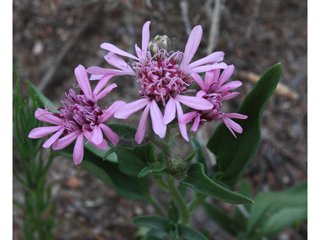
Palafoxia sphacelata
Palafoxia sphacelata (Nutt. ex Torr.) Cory
Othake, Sand Palafoxia
Asteraceae (Aster Family)
Synonym(s): Othake sphacelata, Polypteris sphacelata
USDA Symbol: PASP
USDA Native Status: L48 (N)
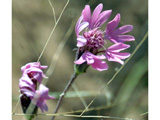
A slender, erect, sparsely leaved plant, usually glandular-hairy on upper parts, with few usually pink flower heads at ends of upper branches.
The related Spanish Needles (P. arida) has only very pale lavender disc flowers; on top of the fruit are four slender, pointed scales (the "Spanish needles"). It is common on sandy flats and in washes from southeastern California west to southwestern Utah and western Arizona.
This genus is named after José de Palafox y Melzi, Duke of Saragossa (1776–1847), a Spanish captain-general, in the war against the invading armies of Napoleon.



Plant Characteristics
Duration: AnnualHabit: Herb
Size Notes: Up to about 3 feet tall.
Fruit: Fruit is a cypsela (pl. cypselae). Though technically incorrect, the fruit is often referred to as an achene.
Bloom Information
Bloom Color: White , PinkBloom Time: Jun , Jul , Aug , Sep , Oct
Distribution
USA: CO , KS , NE , NM , OK , TXNative Distribution: Kansas south and southwest to Texas, New Mexico, and Mexico.
Native Habitat: Prairie, Plains, Meadows, Pastures, Savannas
Growing Conditions
Water Use: LowSoil Moisture: Dry
Soil Description: Sandy, Sandy Loam, Medium Loam, Caliche type
Benefit
Use Ornamental: Rocky hillside, Wildflower meadowConspicuous Flowers: yes
Propagation
Propagation Material: SeedsFrom the National Organizations Directory
According to the species list provided by Affiliate Organizations, this plant is on display at the following locations:Sibley Nature Center - Midland, TX
Bibliography
Bibref 328 - Wildflowers of Texas (2003) Ajilvsgi, Geyata.Search More Titles in Bibliography
Web Reference
Webref 38 - Flora of North America (2019) Missouri Botanical Garden, St. Louis, MO & Harvard University Herbaria, Cambridge, MA.Additional resources
USDA: Find Palafoxia sphacelata in USDA PlantsFNA: Find Palafoxia sphacelata in the Flora of North America (if available)
Google: Search Google for Palafoxia sphacelata
Metadata
Record Modified: 2022-12-30Research By: TWC Staff