Native Plants

Plant Database
Search for native plants by scientific name, common name or family. If you are not sure what you are looking for, try the Combination Search or our Recommended Species lists.
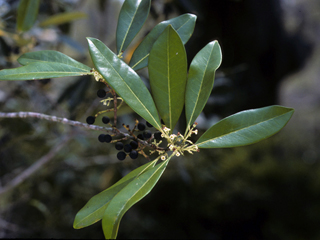
Wasowski, Sally and Andy
Osmanthus americanus
Osmanthus americanus (L.) Benth. & Hook. f. ex A. Gray
American Olive, Devilwood, Wild Olive
Oleaceae (Olive Family)
Synonym(s): Cartrema americana
USDA Symbol: OSAM
USDA Native Status: L48 (N)
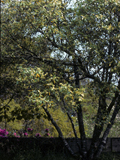
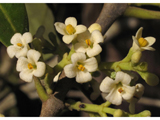
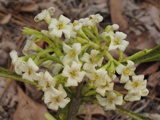
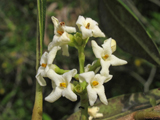
Evergreen shrub or small tree with narrow, oblong crown of paired, glossy, leathery leaves, and with dark blue fruit like small olives. Devilwood or Wild Olive is an irregularly rounded and open shrub or small tree to 30+ ft. with an equal spread. Its long, evergreen leaves are light green and leathery. The small, creamy-white flowers are extremely fragrant and are followed by blue-black fruit which resembles small cherries.
Devilwood was so named because the fine-textured wood is difficult to split and work. The fruit resembles the cultivated Olive in the same family. The genus name, Osmanthus, from the Greek words for "odor" and "flower," refers to the fragrant blossoms.

Plant Characteristics
Duration: PerennialHabit: Tree
Leaf Retention: Evergreen
Fruit Type: Drupe
Size Notes: Up to about 45 feet tall, often shorter.
Bloom Information
Bloom Color: WhiteBloom Time: Feb , Mar , Apr , May
Distribution
USA: AL , FL , GA , LA , MS , NC , SC , TX , VANative Distribution: Coastal Plain from extreme s.e. VA to FL, w. to LA
Native Habitat: Rich woods; swamps
Growing Conditions
Light Requirement: Part ShadeSoil Moisture: Moist
Soil Description: Rich, moist, well-drained soil.
Conditions Comments: Wild olive can be liberally pruned to maintain shape.
Propagation
Description: Wild olive may be rooted from late winter cuttings using a hormone or increased by division of shoots.Commercially Avail: yes
National Wetland Indicator Status
| Region: | AGCP | AK | AW | CB | EMP | GP | HI | MW | NCNE | WMVE |
| Status: | FAC | FAC |
From the National Organizations Directory
According to the species list provided by Affiliate Organizations, this plant is on display at the following locations:Crosby Arboretum - Picayune, MS
Mt. Cuba Center - Hockessin, DE
Bibliography
Bibref 1620 - Gardening with Native Plants of the South (Reprint Edition) (2009) Wasowski, S. with A. WasowskiBibref 841 - Native Alternatives to Invasive Plants (2006) Burrell, C. C.
Search More Titles in Bibliography
Web Reference
Webref 57 - Atlas of Florida Plants (2020) Institute for Systematic BotanyWebref 23 - Southwest Environmental Information Network (2009) SEINet - Arizona Chapter
Additional resources
USDA: Find Osmanthus americanus in USDA PlantsFNA: Find Osmanthus americanus in the Flora of North America (if available)
Google: Search Google for Osmanthus americanus
Metadata
Record Modified: 2023-04-19Research By: TWC Staff