Native Plants

Plant Database
Search for native plants by scientific name, common name or family. If you are not sure what you are looking for, try the Combination Search or our Recommended Species lists.
Bransford, W.D. and Dolphia
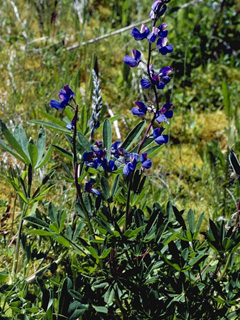
Lupinus succulentus
Lupinus succulentus Douglas ex K. Koch
Hollowleaf Annual Lupine, Hollow-leaf Annual Lupine, Arroyo Lupine, Succulent Lupine
Fabaceae (Pea Family)
Synonym(s): Lupinus succulentus var. layneae
USDA Symbol: LUSU3
USDA Native Status: L48 (N)
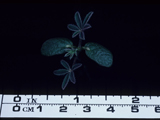
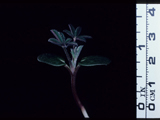
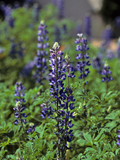
The upper portion of the fleshy, 1-3 ft. stem is covered with whorls of small, purplish-blue to rusty-red, sweetly fragrant flowers. Each flower’s uppermost petal has a yellow center. Seven to nine, smooth, dark-green leaflets make up the palmate foliage.
This lupine is very easily grown and quite adaptable. After it is established, too much water can cause mildew diseases of the leaves.
Plant Characteristics
Duration: AnnualHabit: Herb
Leaf Arrangement: Alternate
Fruit Type: Legume
Size Notes: Up to about 3 feet tall.
Bloom Information
Bloom Color: Blue , PurpleBloom Time: Feb , Mar , Apr , May
Distribution
USA: AZ , CANative Distribution: CA Coast Ranges, inland to Butte & Shasta Cos. & w. side of San Joaquin Valley
Native Habitat: Grassy flats & slopes below 2000 ft.
Growing Conditions
Light Requirement: SunSoil Moisture: Dry
Soil Description: Dry, well-drained soil.
Value to Beneficial Insects
Special Value to Native BeesSpecial Value to Bumble Bees
This information was provided by the Pollinator Program at The Xerces Society for Invertebrate Conservation.
Propagation
Description: Broadcast seeds in fall.Seed Treatment: Germination is enhanced by scarification or nicking of the seed coat. Allow the seeds to soak overnight in warm water before planting.
Commercially Avail: yes
Find Seed or Plants
Find seed sources for this species at the Native Seed Network.
From the National Organizations Directory
According to the species list provided by Affiliate Organizations, this plant is on display at the following locations:Native Seed Network - Corvallis, OR
Bibliography
Bibref 995 - Native Landscaping from El Paso to L.A. (2000) Wasowski, S. and A. WasowskiSearch More Titles in Bibliography
Additional resources
USDA: Find Lupinus succulentus in USDA PlantsFNA: Find Lupinus succulentus in the Flora of North America (if available)
Google: Search Google for Lupinus succulentus
Metadata
Record Modified: 2009-02-21Research By: TWC Staff